• Blog
Elizabeth's Blog

New Ways of Seeing

8/6/2015

 
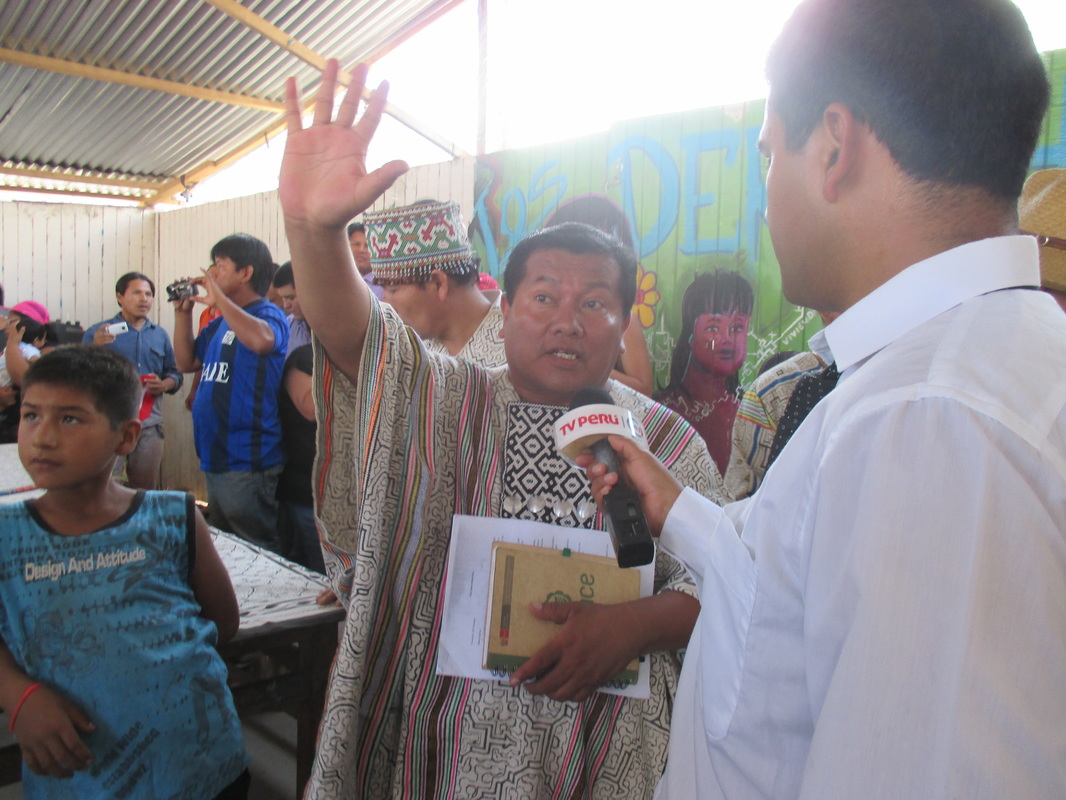
My last week in Lima was spent in a flurry of events—a final exhibit, a film screening, many farewells. As I sit writing this post in North Carolina, I feel deeply attuned to the strangeness of time and space. How is it that I was just there, and now I’m here?

I feel tremendously fortunate to have had the opportunity to learn from other ways of being, thinking, and making a life. It has been a joy to share in the imaginations and stories of the young people, and their families, I’ve come to know. 
Picture
Picture
Picture
Picture
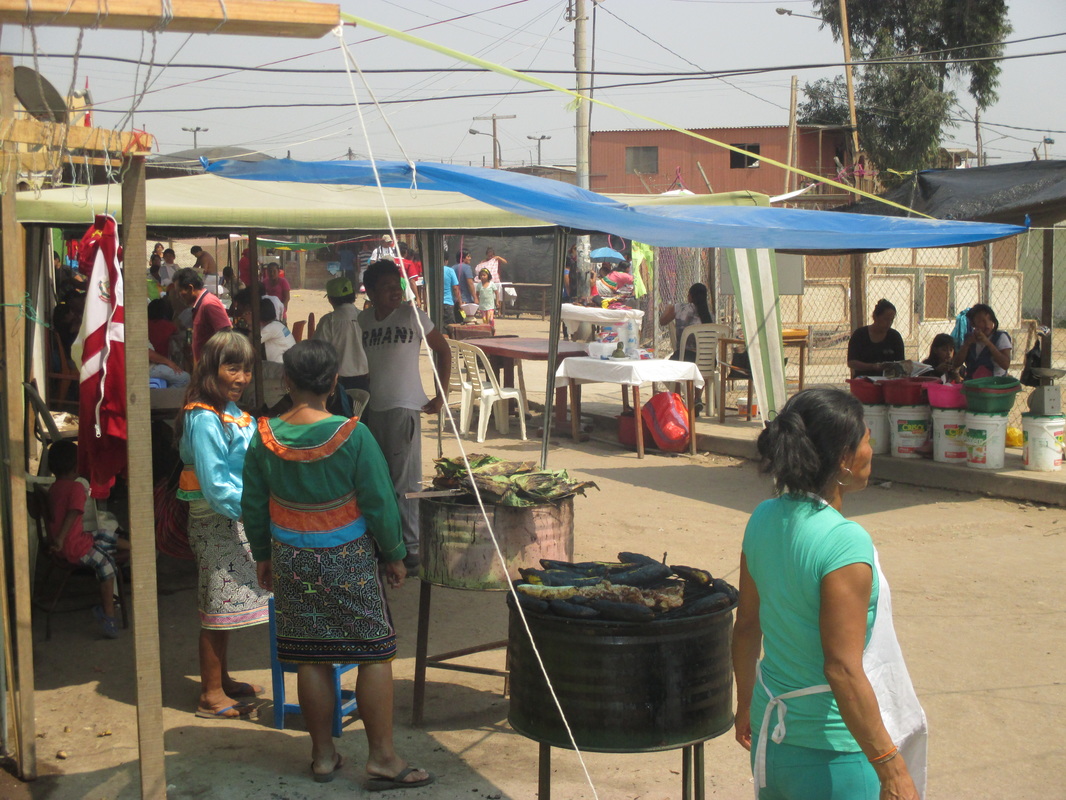
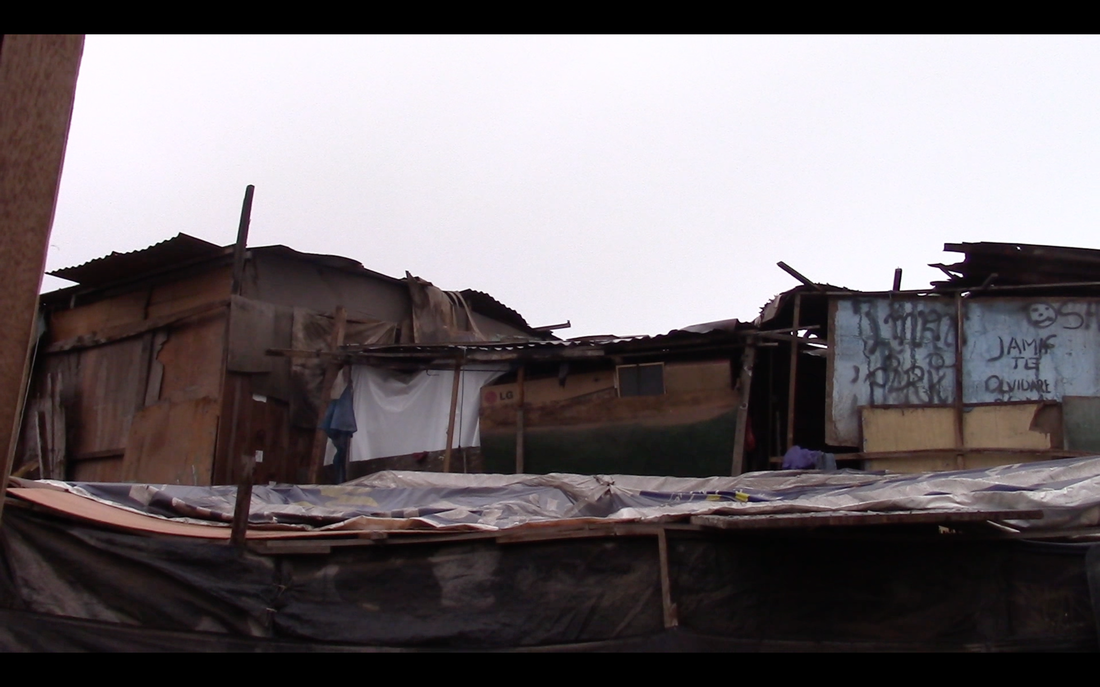
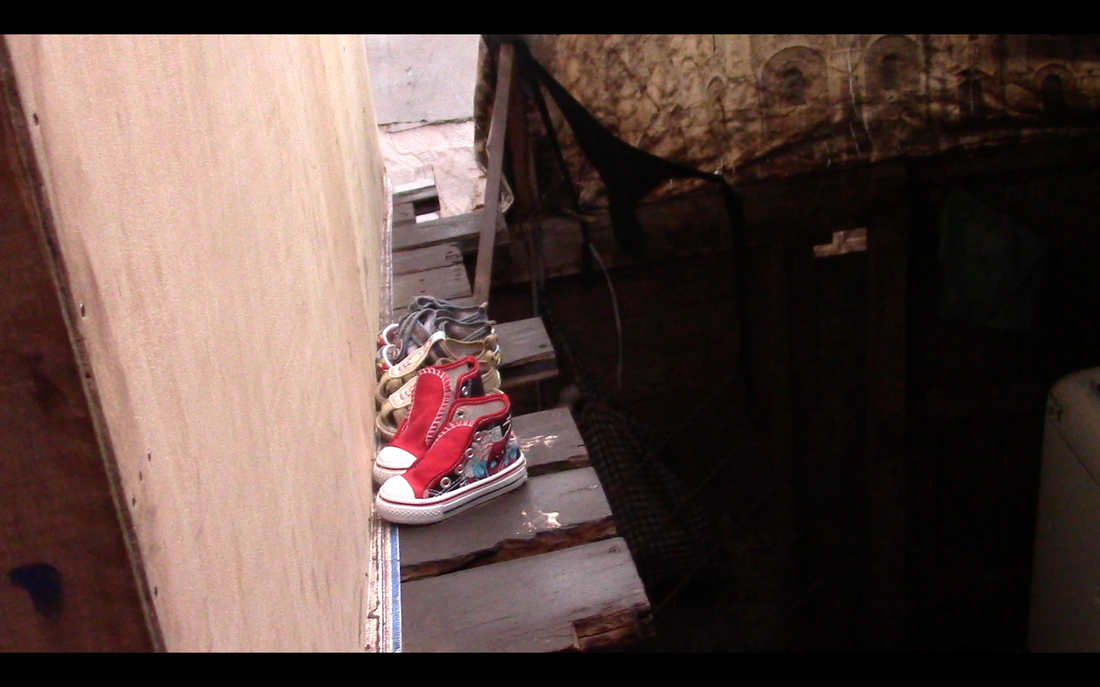
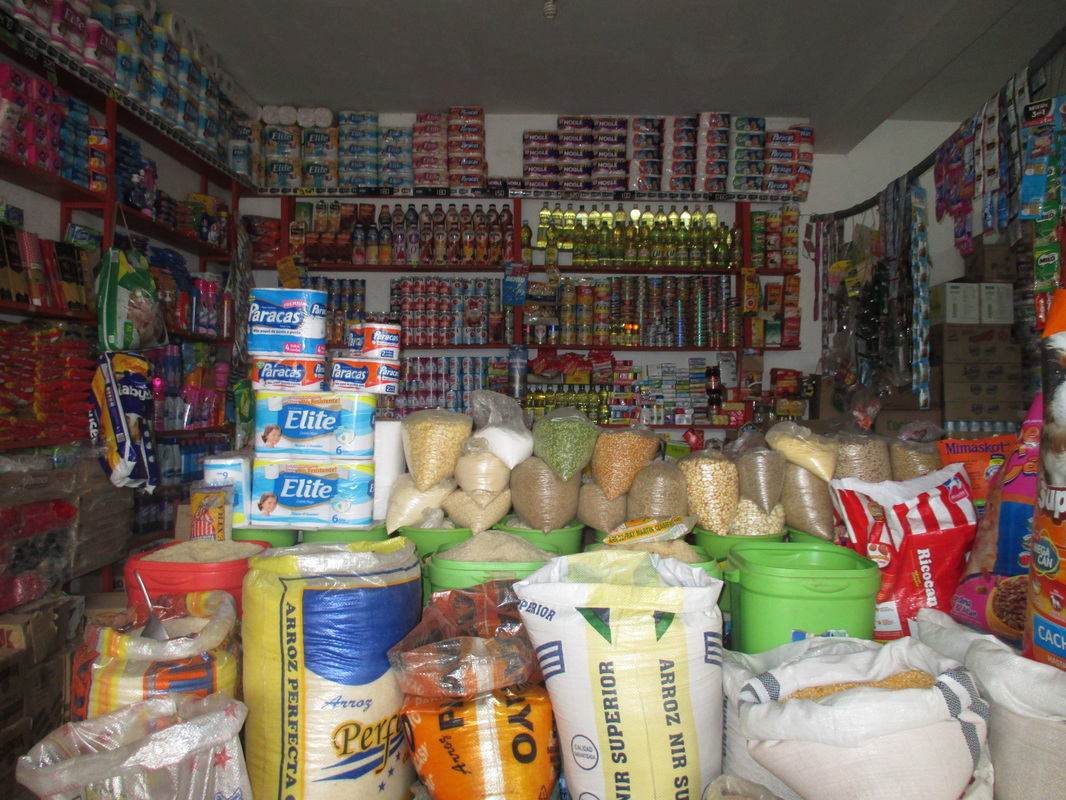
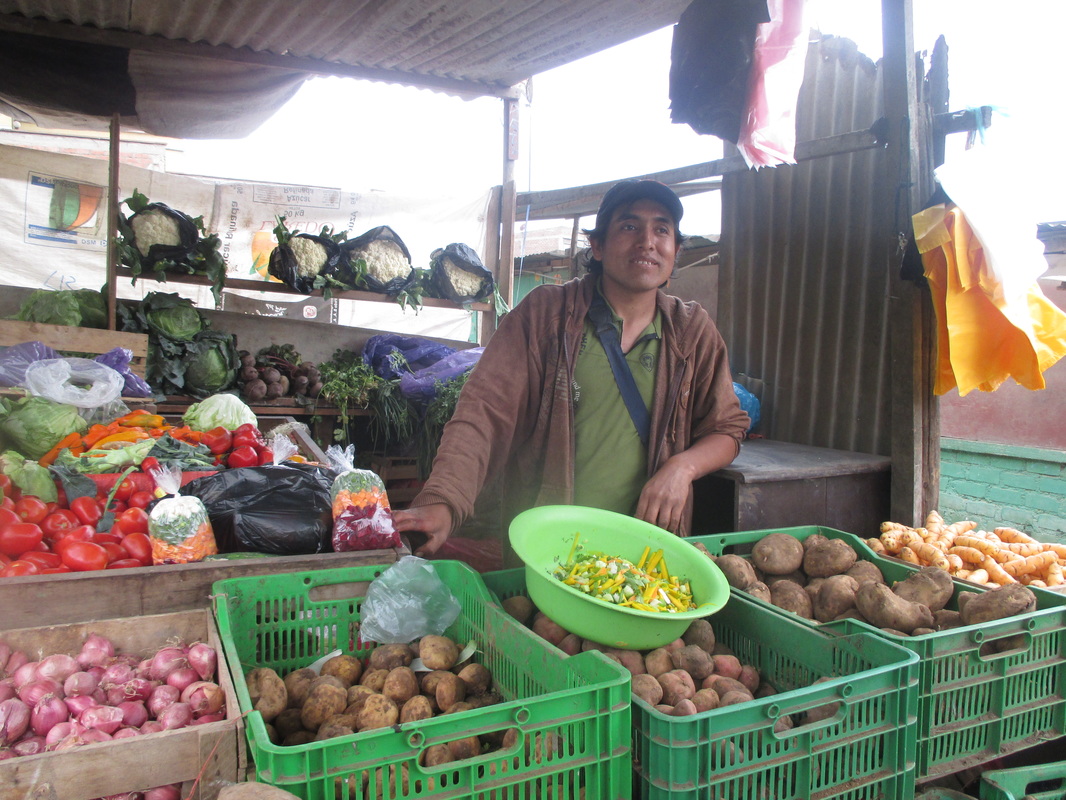
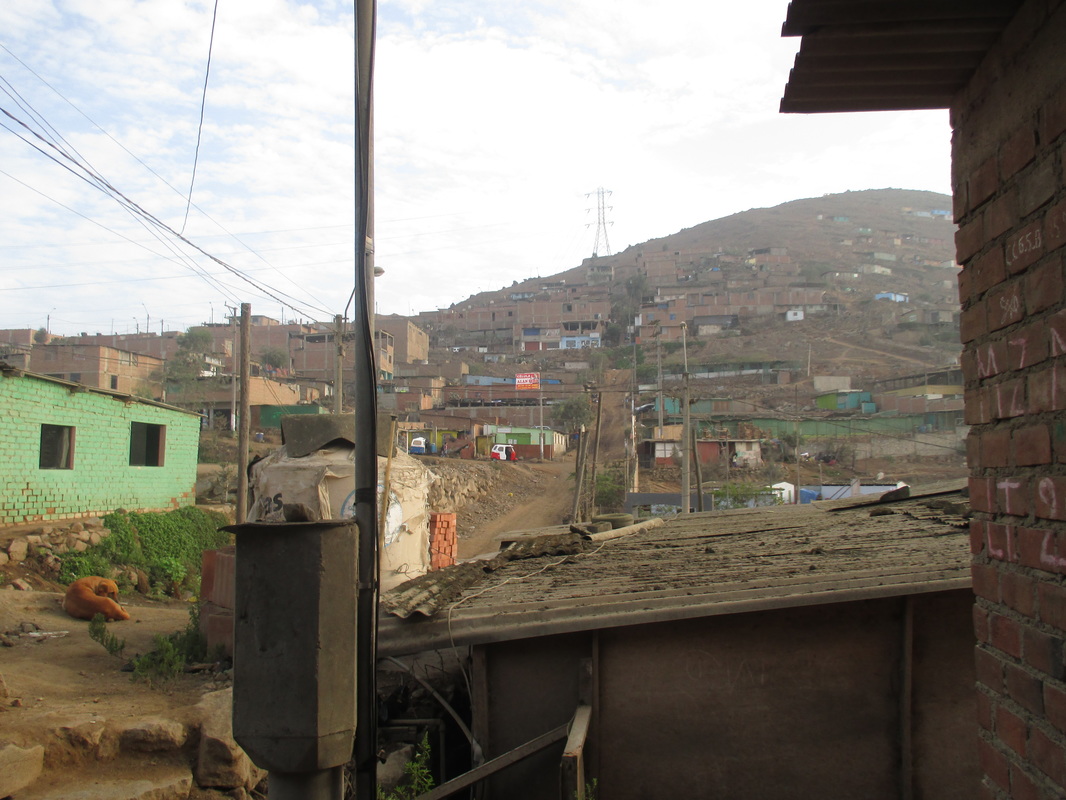
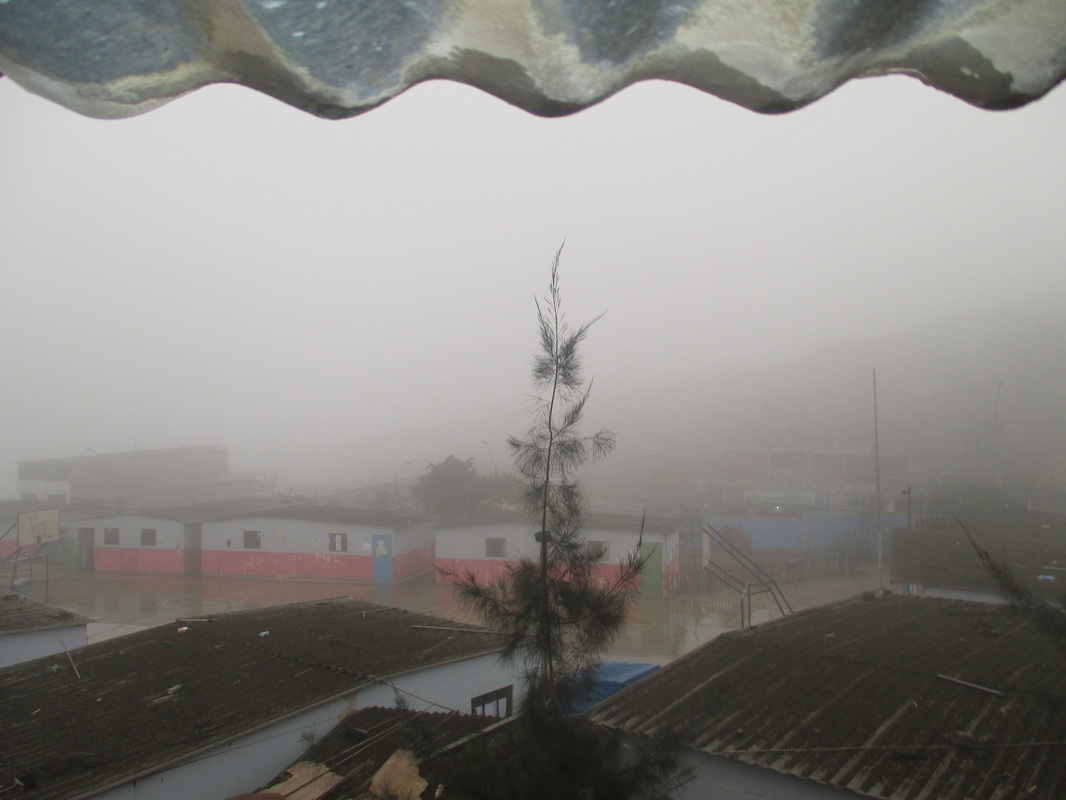
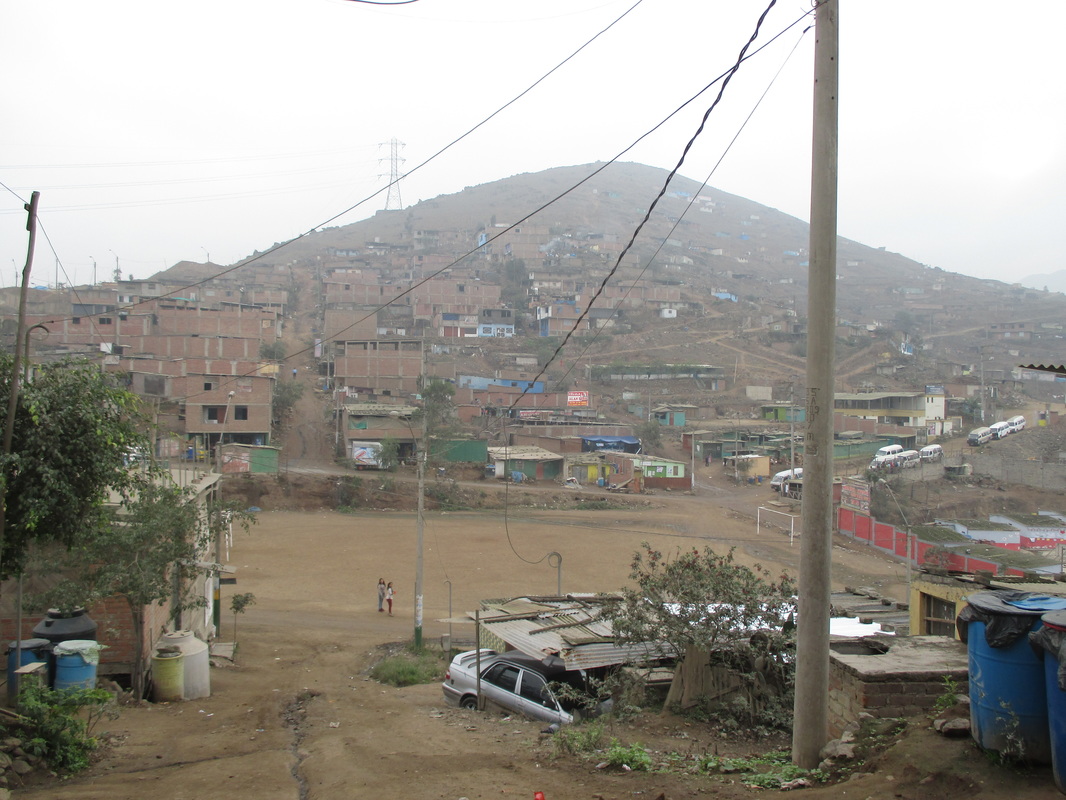
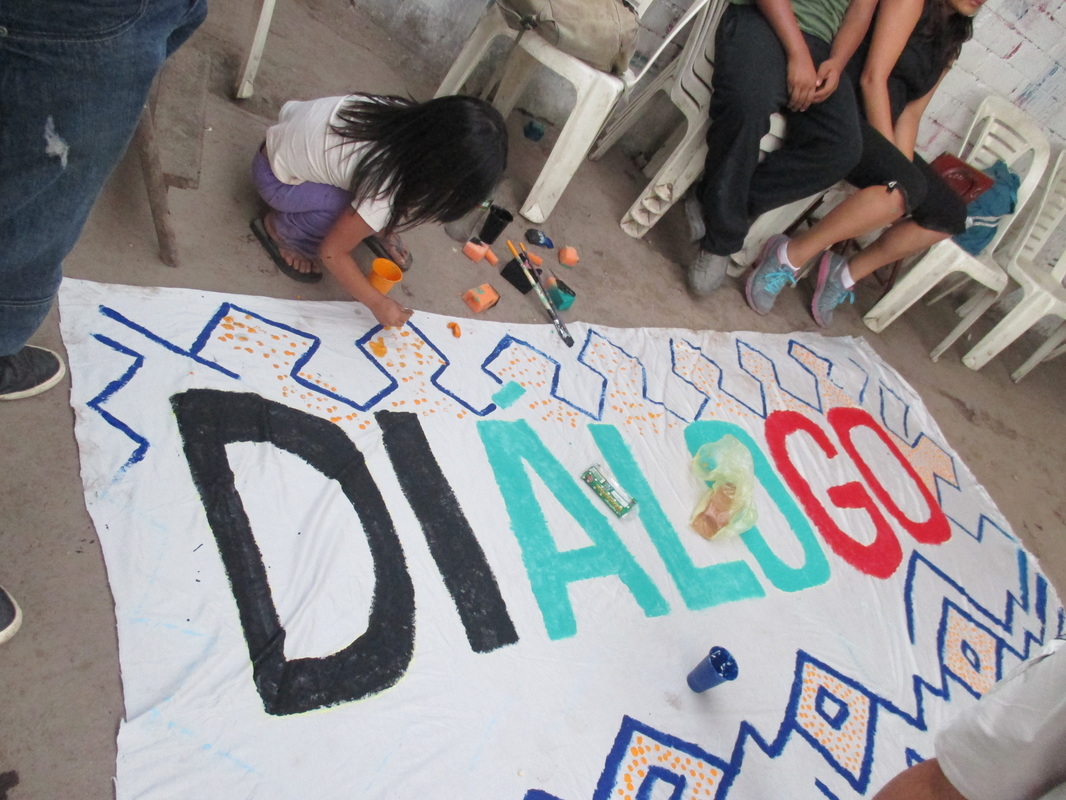
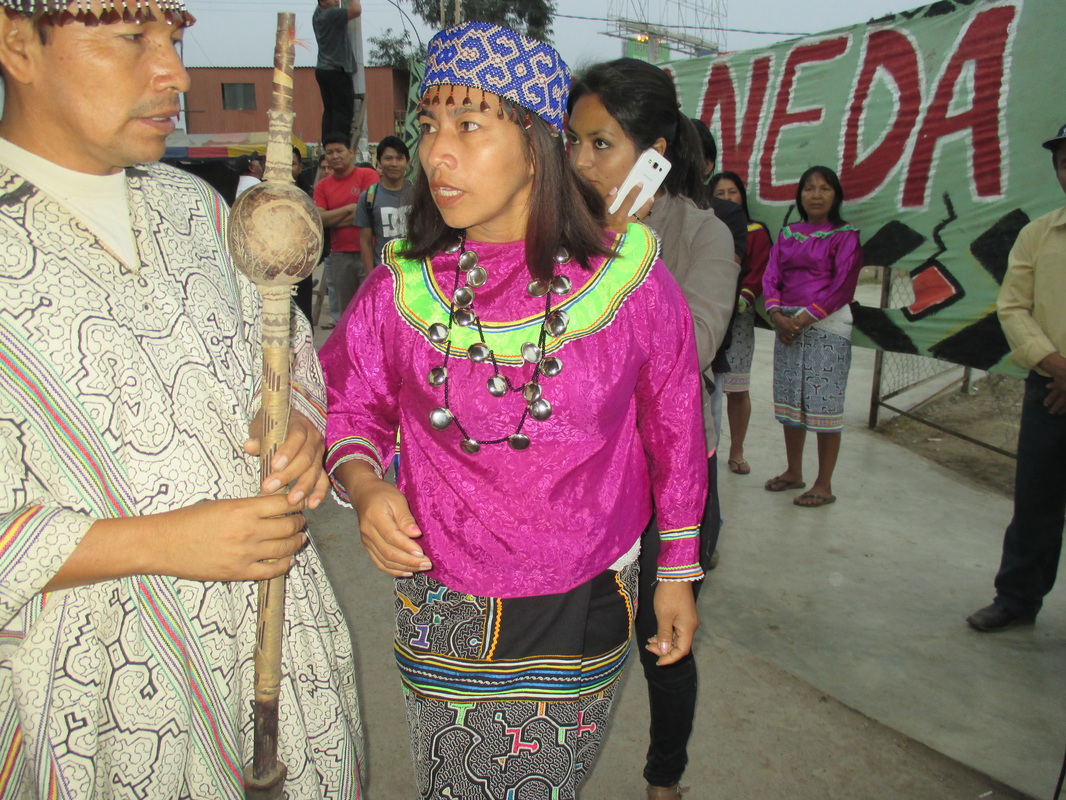
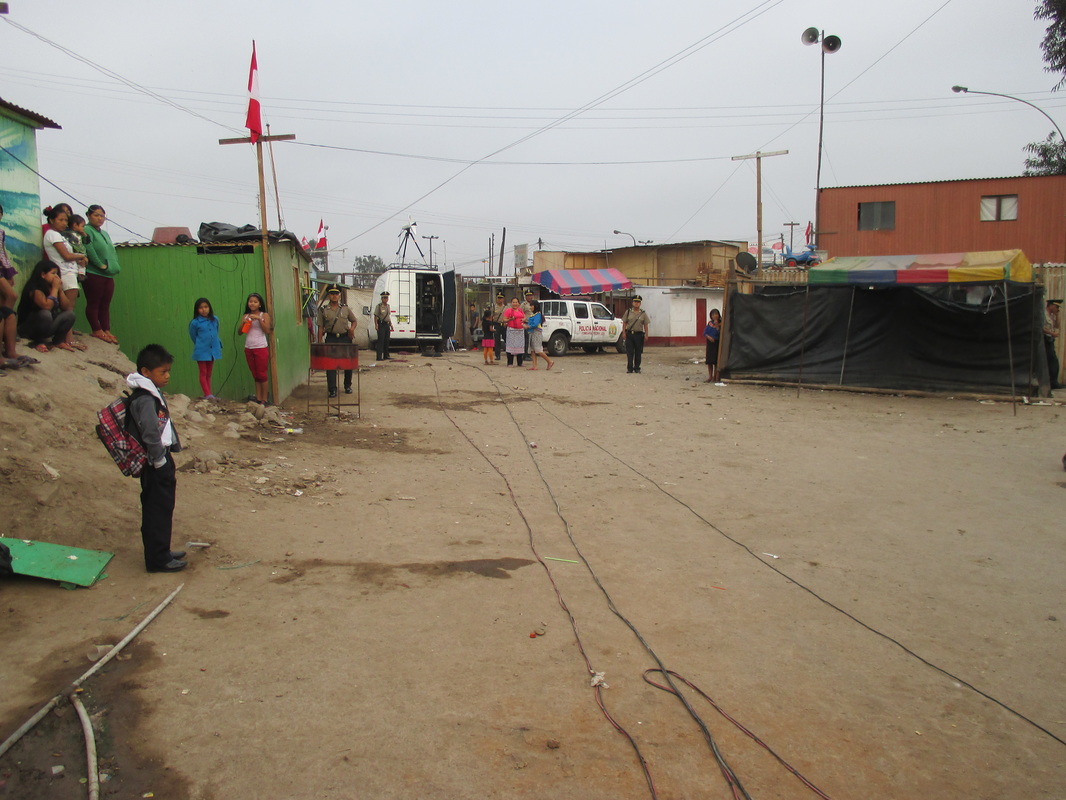
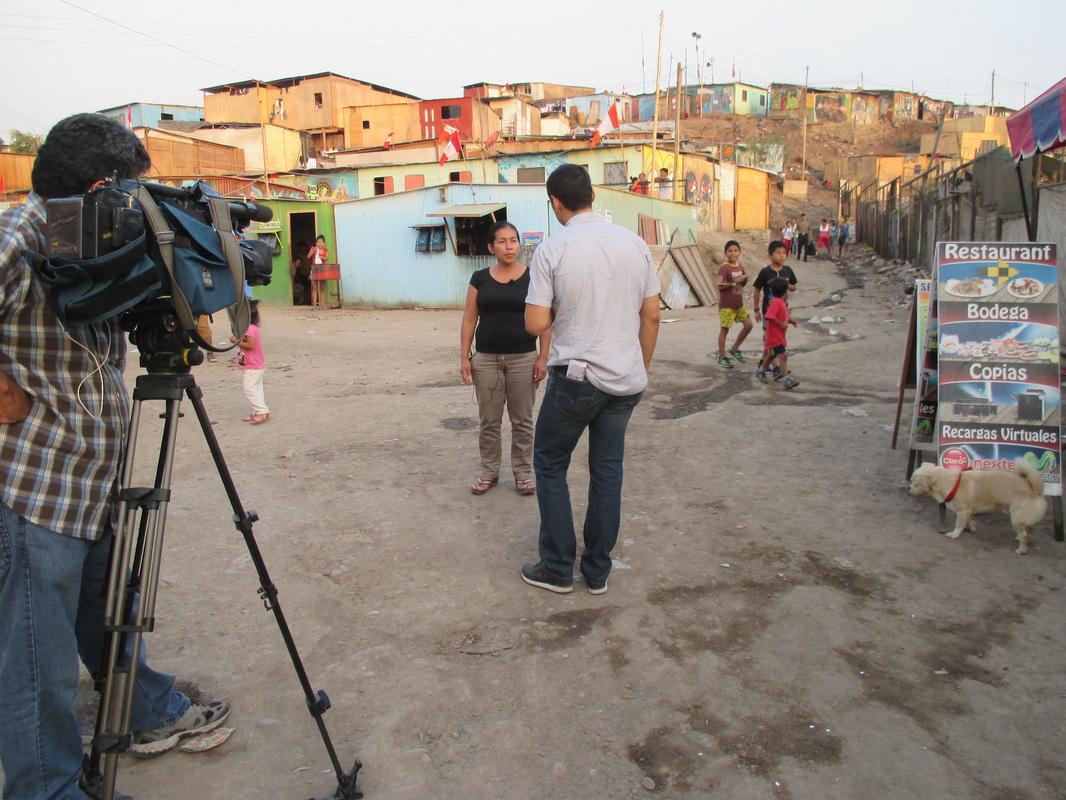
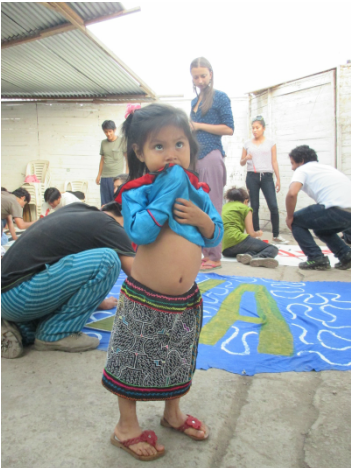
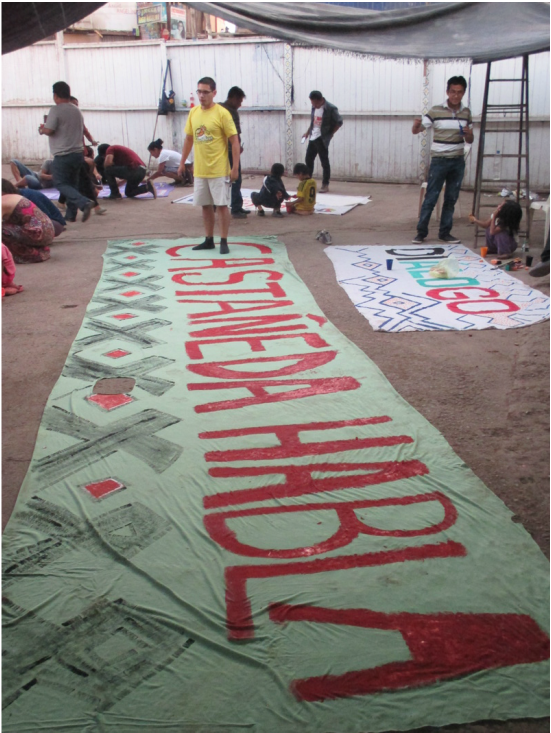
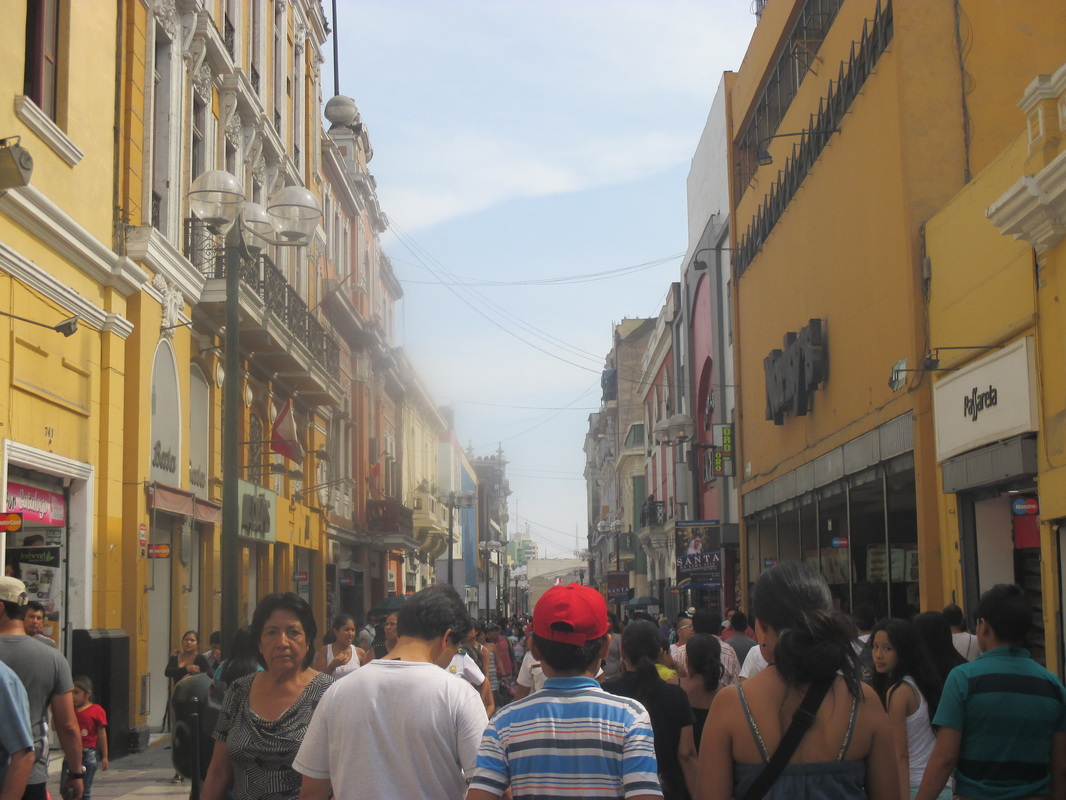
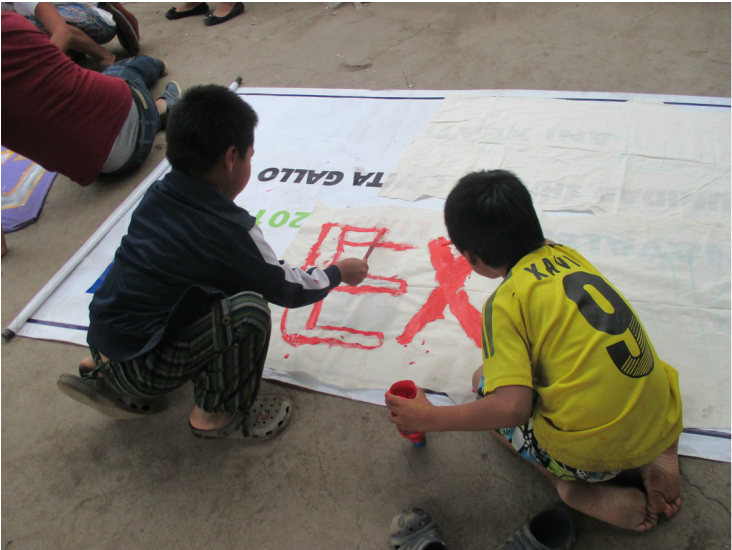
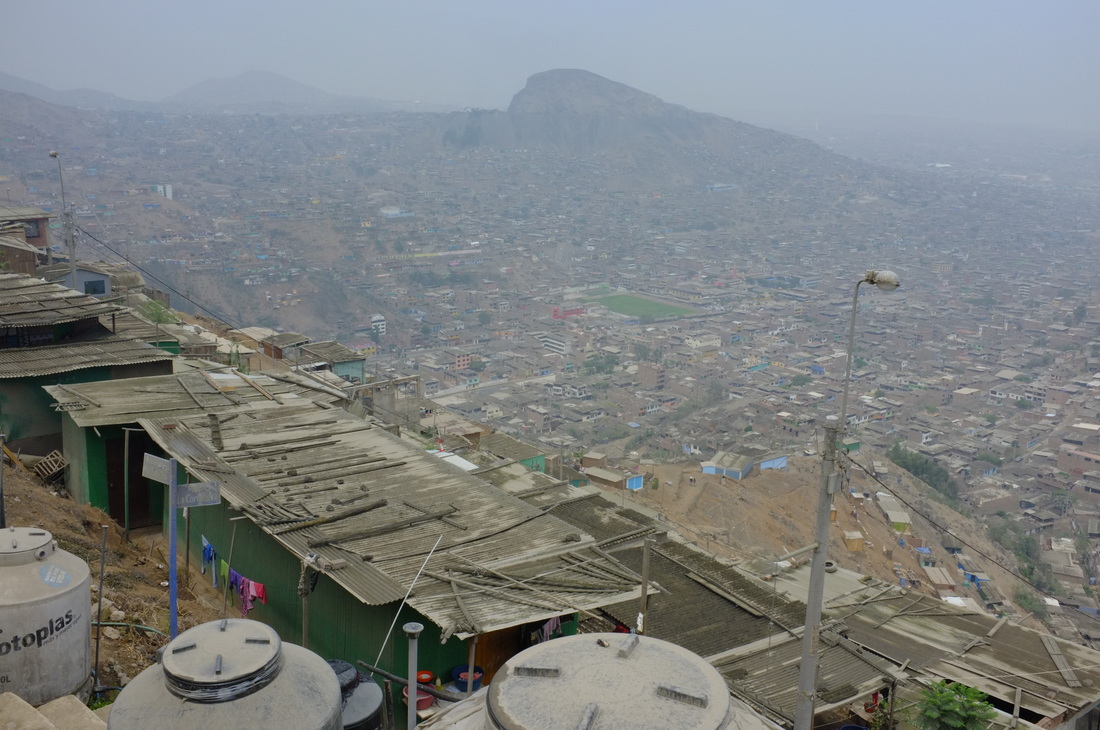
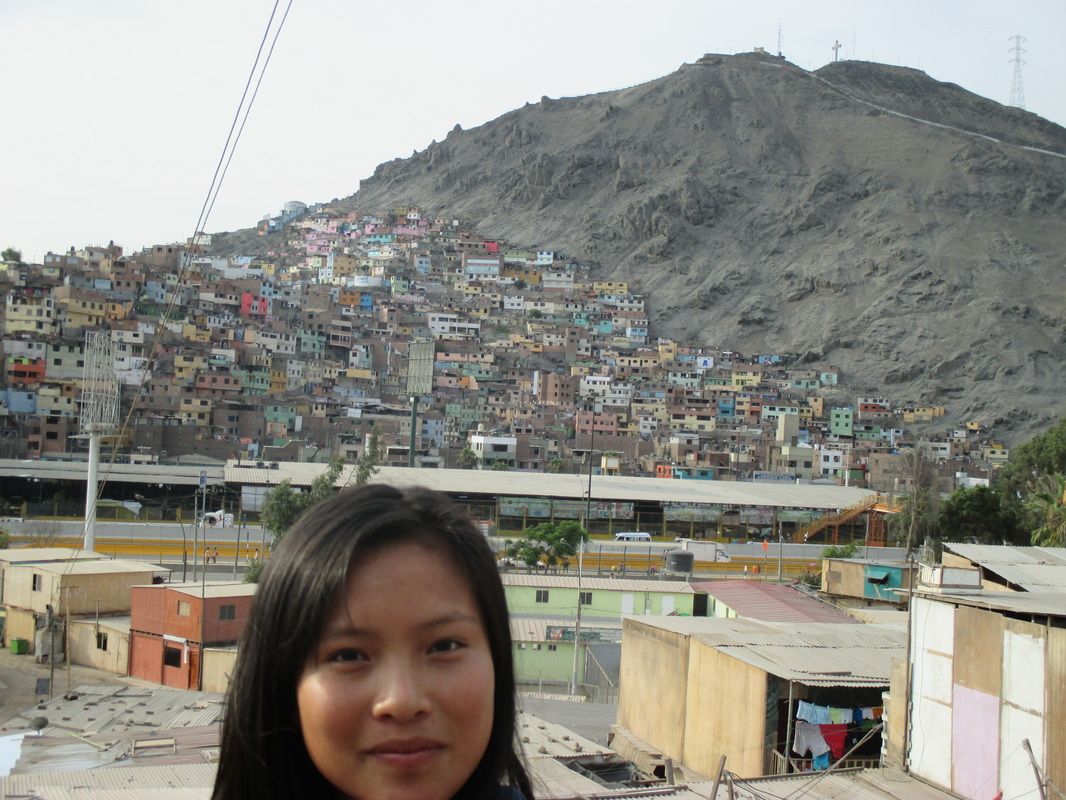
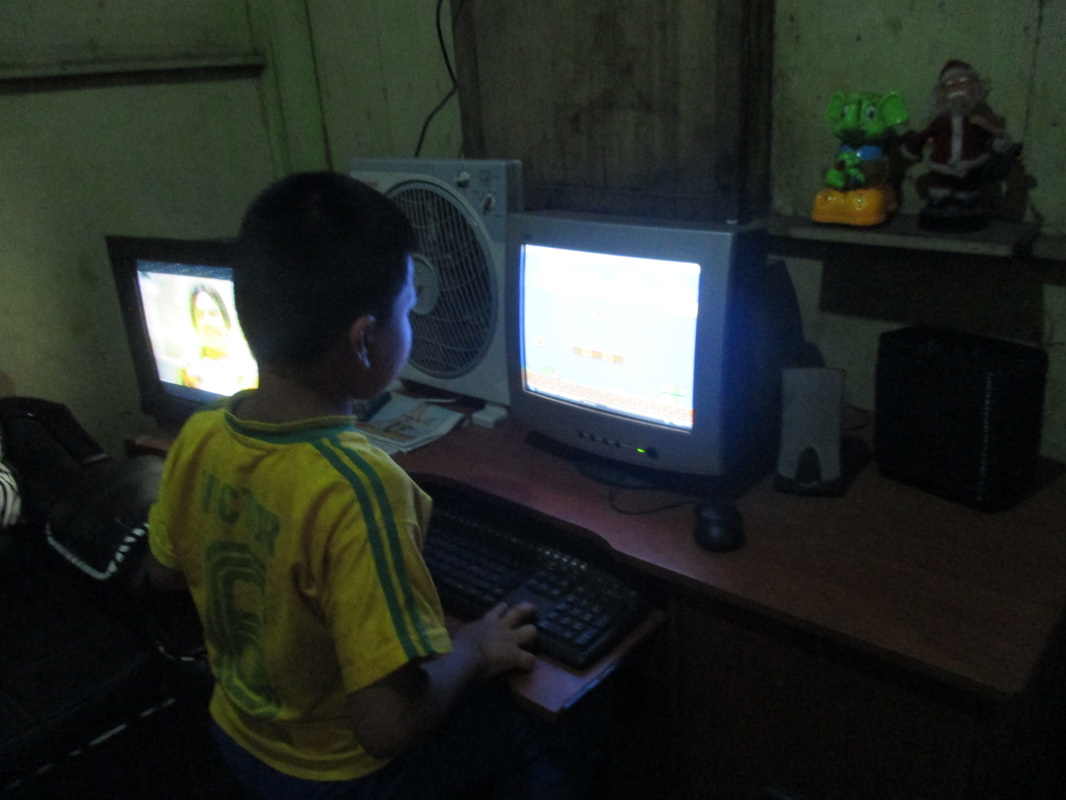
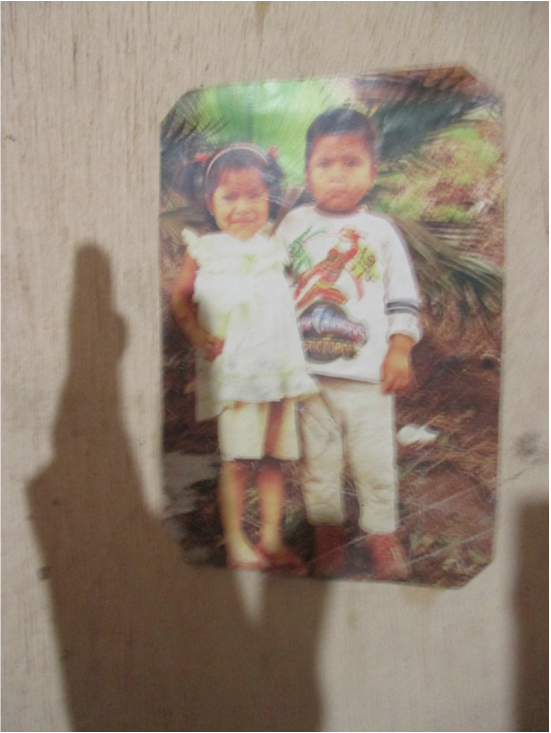
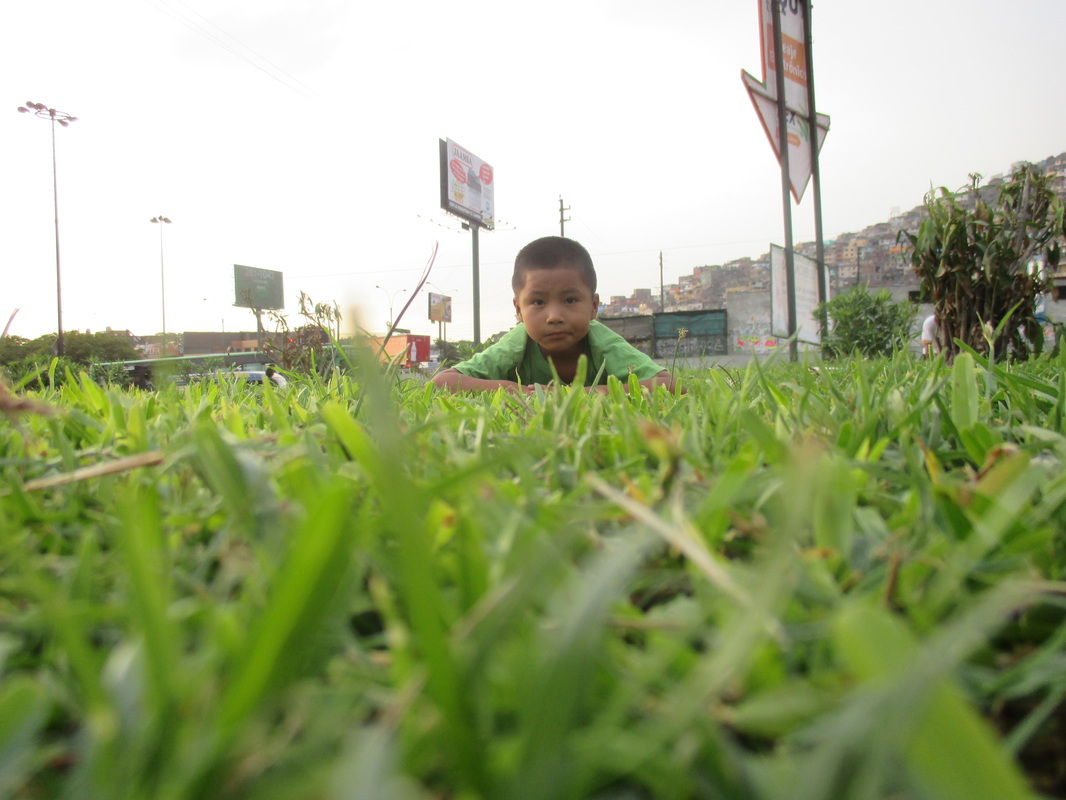
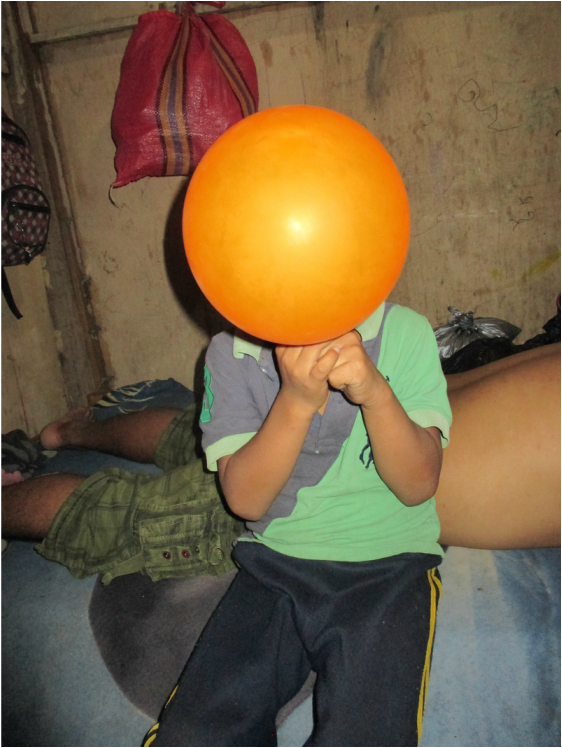
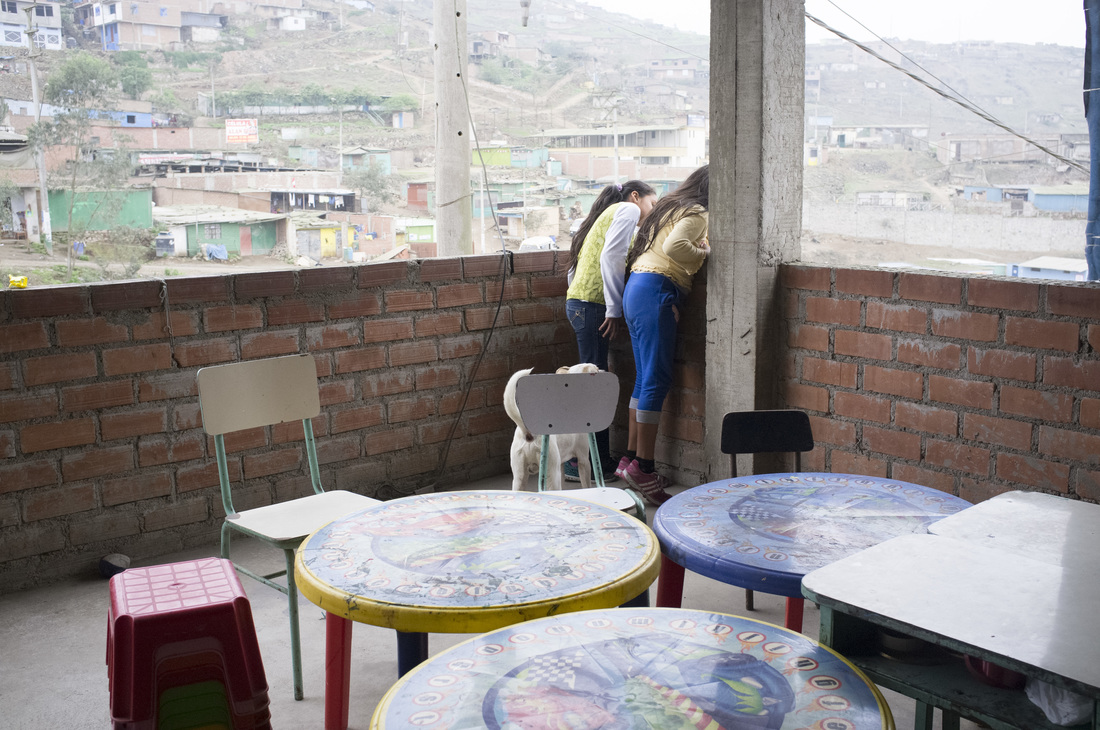
A few (of my own) farewell images of Cantagallo (above) and 12 de Junio (below)
Picture
Picture
Picture
Picture
These past 10 months I have worked to convey in this blog what is so often indescribable—a process; an experiment; a series of encounters. The process has been just as important as the final products—young people seeing themselves as investigators, highlighting their community’s strengths, facilitating new ways of seeing for the people around them. 
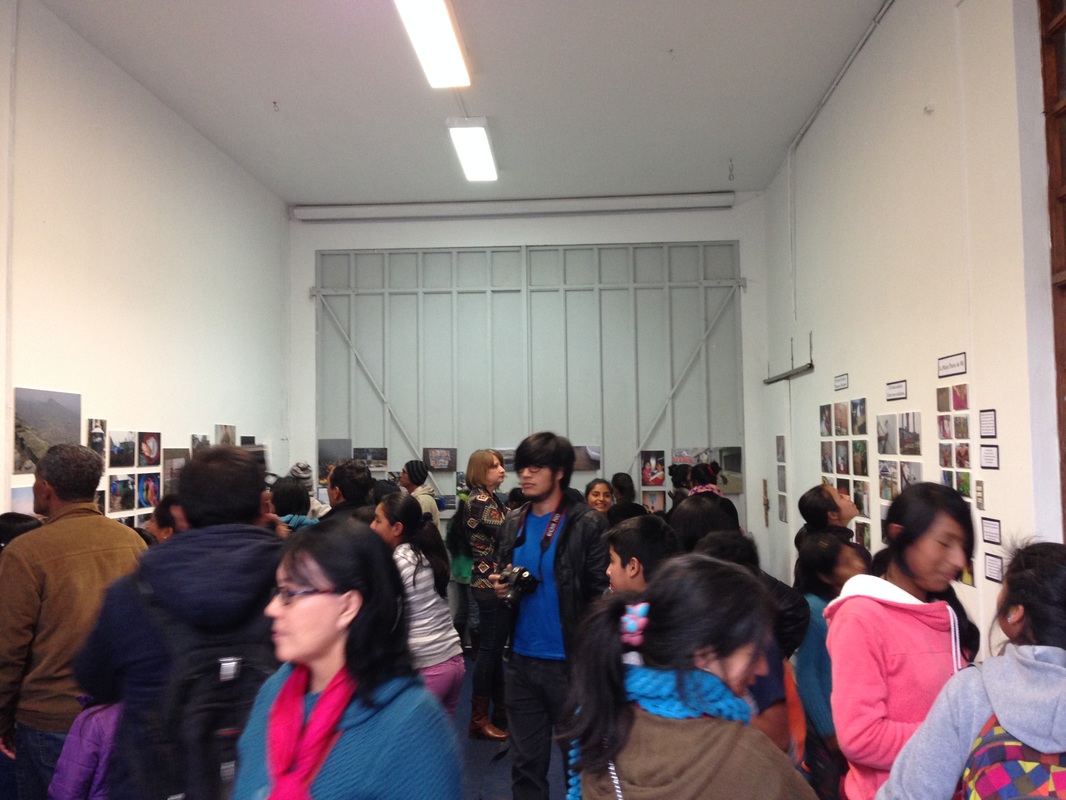
It was especially thrilling to watch the young photographers and filmmakers present their work to their families, and the other audience members who came to the events. 

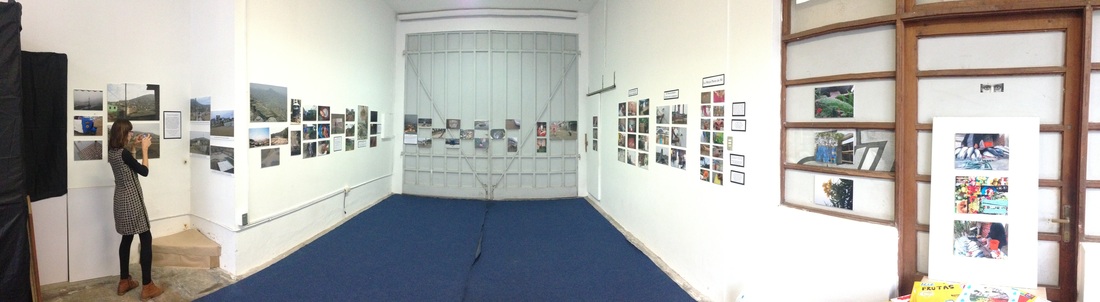
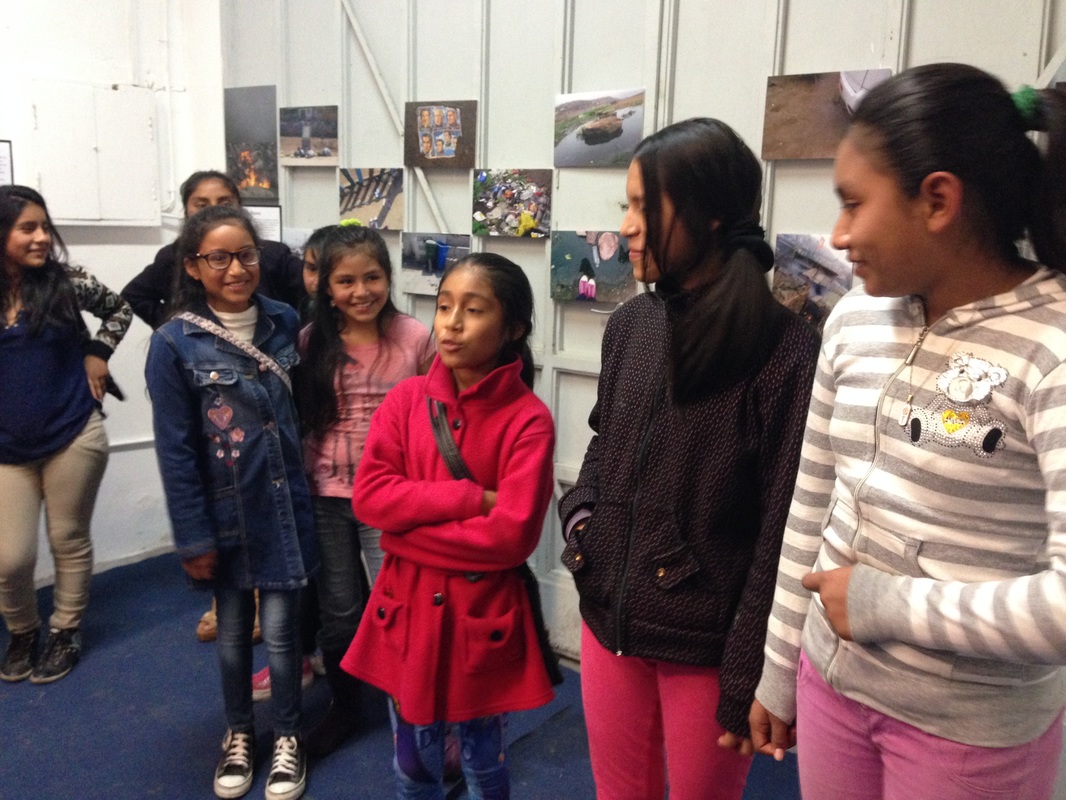
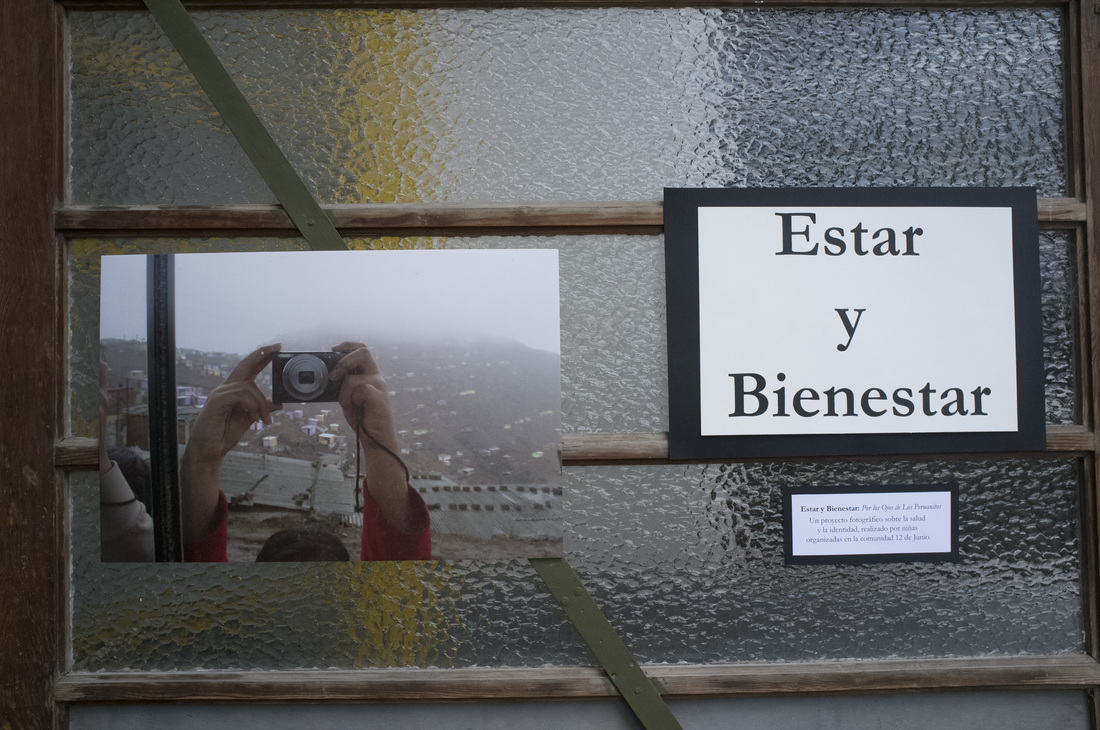
Sunday was the inauguration of the photo exhibit Being and Wellbeing, the product of my collaboration with Lauren in the community 12 de Junio. The exhibit, co-curated by the girls who participated in the workshops, was an exploration of the community through self and family portraits, and an investigation of community health issues. In the curation process, the girls wrote captions for their photos, explaining stories behind them, as well as imagining solutions for the problems they discovered through their photographic inquiries. 
Picture
Picture
Picture
Picture
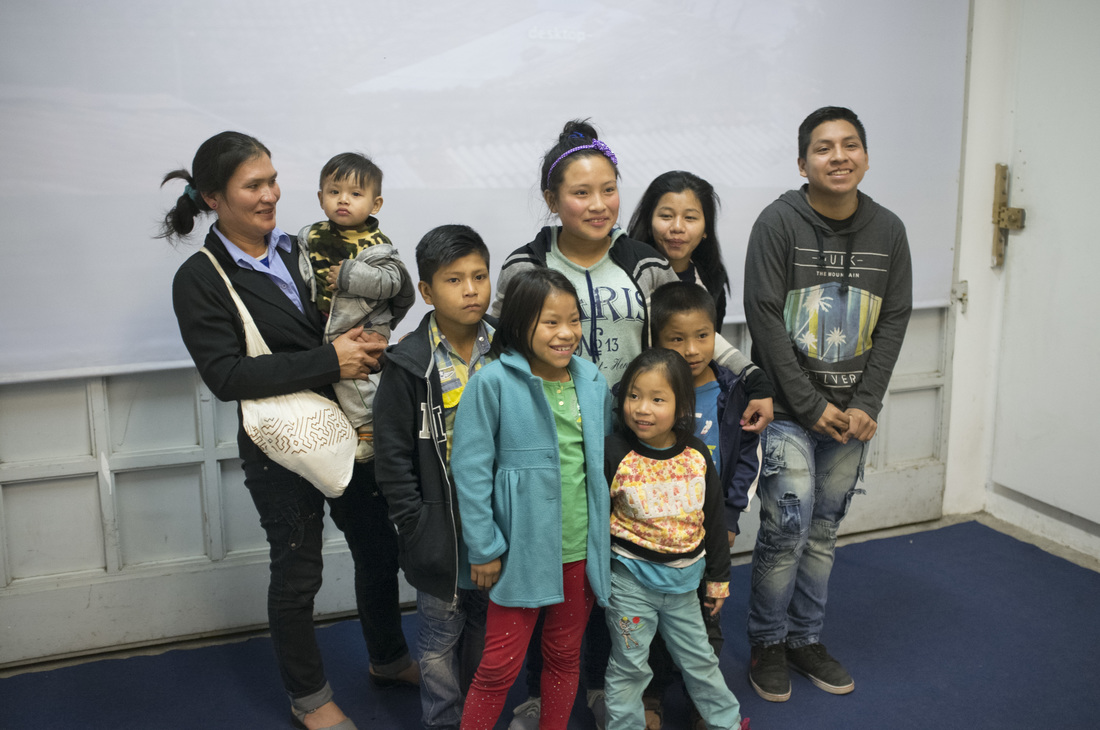
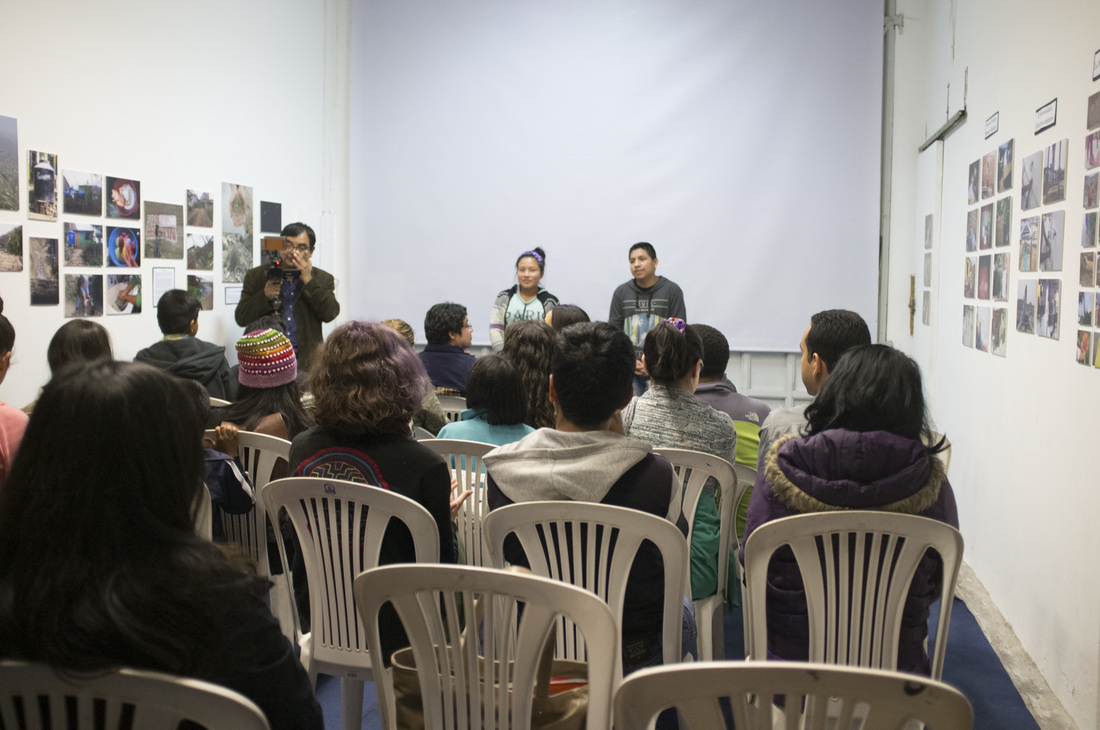
Thursday night was the screening of the film made by Karoly, Tony and Christy in Cantagallo, which they decided to title Un Pedacito de la Selva en la Ciudad--"A Little Piece of the Jungle in the City". Tony and Karoly were able to attend, and spoke so eloquently about their experiences, and the choices they made in constructing their film. The final film wove together their community's history, their own families' stories, reflections on the differences between the jungle and the city, and the pride they feel about their unique cultural heritage.
Picture
Picture
The textures of places, the warmth of individuals, the inevitable messiness of a process of teaching and learning from others...these things made the last 10 months a joyful experience.  I am proud and honored to share pieces of these final products with you here. 

Over the next few months, I'll be working to create virtual versions of the complete projects, which I'll look forward to sharing. 

Being and Wellbeing
(images and exhibition text)


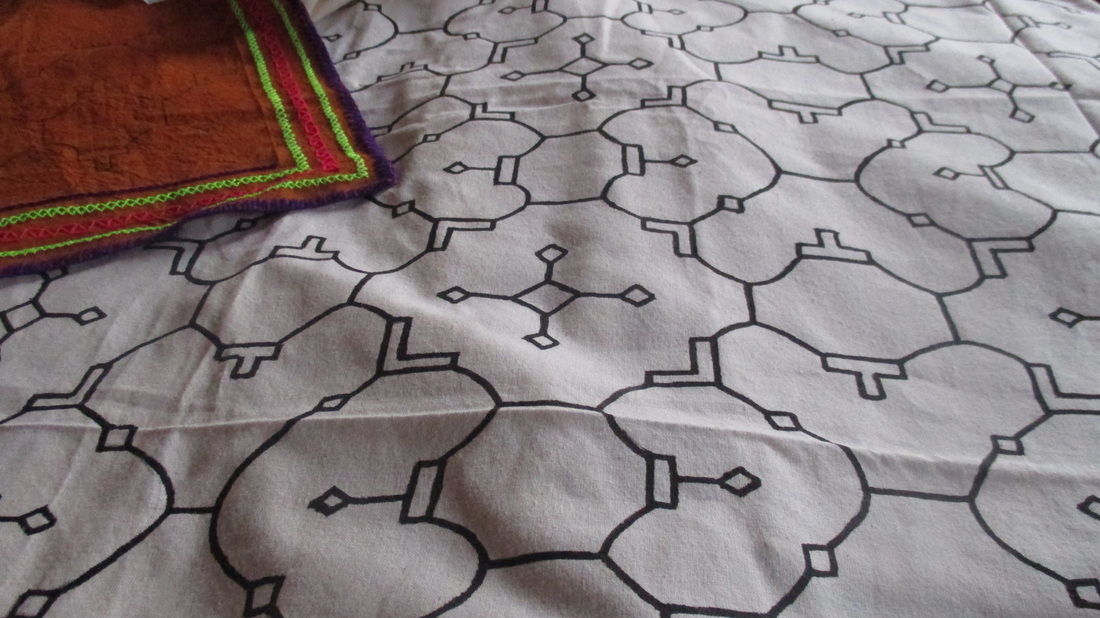
Un Pedacito de la Selva en la Ciudad
(video stills and quotes from the film)
Picture


"What I want to say with this video, and what I want to show, is for people to see 
in us a culture that is valuable." 

"For us, as well as 

for our ancestors, and all those
who live in Cantagallo."
Picture
Picture
Picture
Picture
Picture

"And I want people to see that… For them not to give us that look that they do sometimes that makes us feel bad. Sometimes bad, sometimes sad. Because we feel that people see us as “poor people.” Yeah, well, maybe we’re not high class… We lack a lot, but we don’t want to be called “pobrecitos”—poor little things."" 


Supposedly we are all equal. You, me, everyone else. All people are human. And what’s the difference between her and me? That she has more money? Or that she’s happer than I am? No. Everyone, everyday… In the day to day, people don’t see us when we’re happy. Or in an interview or documentary about Cantagallo, it’s always…like I saw in a video about Cantagallo, they said “facades of houses.” Please, don’t say that. They’re not facades, they’re houses built by our own hands, by our parents because we helped them. And then to use those words and call them that…no. 

We want people to value our culture."
Shared Visions

7/13/2015

 
Karoly, Christy and Tony are working on a film about their lives, focusing on their families, culture, and community, Cantagallo. On Friday the four of us sat on Christy’s bed, which we’ve dubbed La Oficina, the group tried to imagine what they could call such a project. Christy offered up 3 Historias Diferentes (3 Different Stories), which sparked a discussion about whether their stories were different or the same. In the videos they had just recorded, in which Christy and Tony shared their own personal experiences, similar tales were told. After all, Karoly remarked, they live in the same community, and their families all came to Lima from the same region of the Amazon. They are all Shipibo.

In that tension—between the individual and the collective—lies the beauty of the collaborative process that has emerged among these three over the last several months. Each has had a turn both behind and in front of the camera and microphone, working together to represent their community in sounds and images—to emphasize the elements that unite its inhabitants and bind their stories together. The particularities of their own stories—and the multiplicity of realities in Cantagallo—shine through in each of their strong, distinctive voices, as they explore their relationships to the land they inhabit, and the land where they come from.
Picture
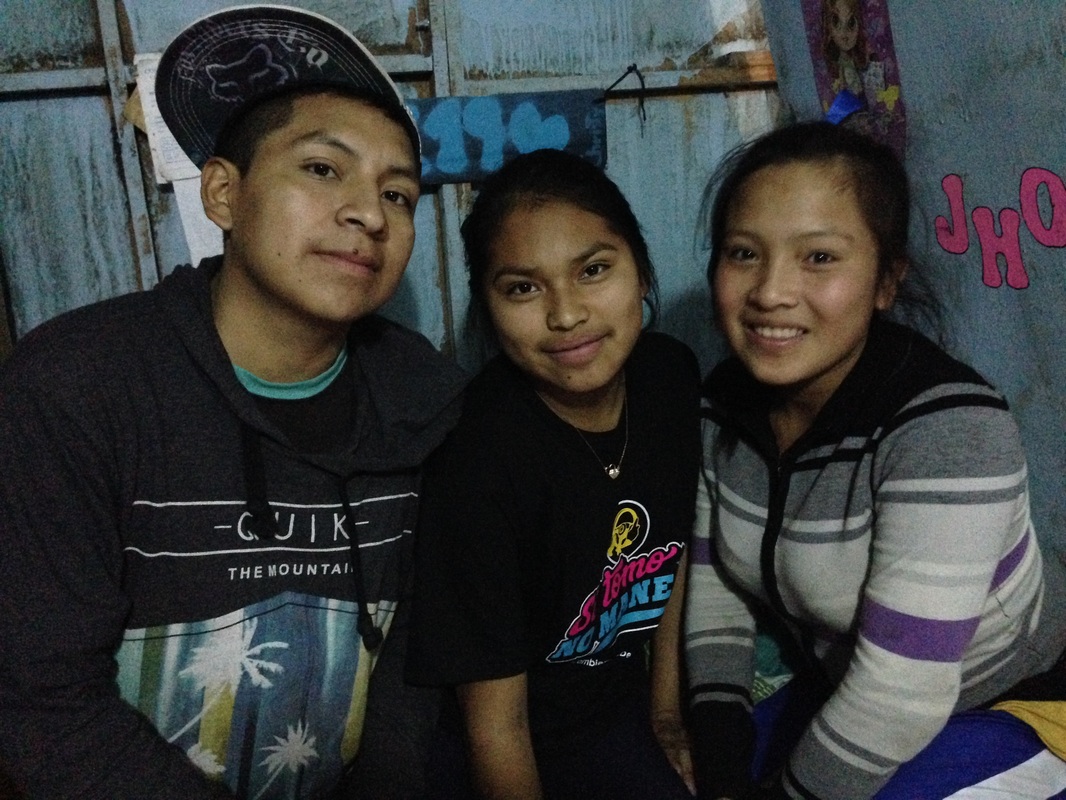
The team en La Oficina.
Here are two small pieces of their exciting work-in-progress:

Asking Questions

6/29/2015

 
In 12 de Junio, the girls continue to explore the role of Community Investigators.  

As part of a series of workshops facilitated by Lauren about self-care and nutrition, we went on a photographic scavenger hunt in search of examples of the five food groups around the community. 
Picture
Photo by Stefanny
Picture
Photo by Liliana
Picture
Photo by Maricarmen
Picture
Photo by Dayana
In parallel, I have been working with some of the girls on an individual basis to explore their parents' stories, and the origin stories of the community itself. Considered one of Lima's pueblos jóvenes, or "young towns," 12 de Junio came to exist through what's known around here as the "invasion" of uninhabited mountains.    
Picture
Photo by Dayana: A partial view of 12 de Junio from her front door.
Picture
Photo by Lucero: The view of 12 de Junio's primary school from her house .
Picture
Photo by Stefanny: The view from her house.
I have begun a process which I hope to leave in the hands of these girls when I leave Perú in just over a month: interviewing community members, starting with their parents, about how they grew such a community out of the earth. 
Picture
Lucero and I sat together and considered what questions we might ask her mother, Ana. She wanted to know about her mother's childhood; how she arrived in Lima, and what it was like to have her three children, among other things. Ana spoke of growing up in Ayacucho, in the Andes, in a time of intense violence--and fleeing to Lima with her aunt at age 9. After our conversation, Lucero decided she had even more questions, and plans to record another interview on her own.
Picture
Picture
Lucero's photos of her mother and little sister. 
Picture
Jezabeth's mother Flor María recalled the early days of 12 de Junio (named for the day on which the first 100 people came to the mountain)--when the inhabitants themselves worked to carve the dirt roads out of the mountainside, making it much easier to reach their community.  Jezabeth later interviewed her father, who shared stories of the community's struggles for electricity and water.  
Picture
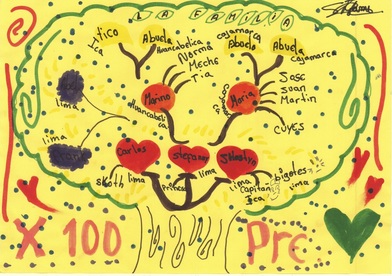
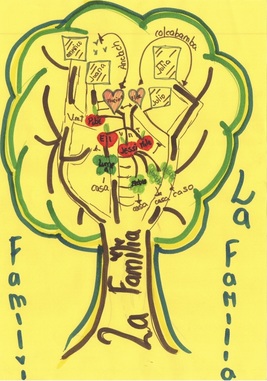
Tracing roots: Jezabeth and Stefanny's family trees, including the regions their parents and grandparents come from. Stefanny's family is originally from Ica, Huancavelica and Cajamarca; Jezabeth's from Colcabamba and Ancash.
Picture
The idea is for these bits and pieces to come together in a multi-dimensional community portrait--an archive of how it came to be, and a rendering of what it is today. But the process is just as important as the shape it will eventually take. In sitting together with me and their mothers as we asked questions, the girls were filled with more and more questions. As Community Investigators, they get to practice making time for deliberate asking and sharing--time we so often regret having neglected when we lose loved ones. They are probing the very composition of the place they inhabit.

Trabajo Digno

6/17/2015

 
June 12 was the International Labour Organization’s World Day Against Child Labour. In the INFANT office, Yesenia tells me, as she told certain press outlets that day, this is a not a day they celebrate.  Instead, INFANT, MNNATSOP and other working youth organizations throughout Latin America and the Caribbean waged an alternative facebook and twitter hashtag campaign-- #vidatrabajoydignidad (life, work and dignity)--and put out press releases urging political leaders and civil society to listen to the voices and stories of working children. To understand that in their paradigm, work in safe, dignified conditions does not have to be at odds with quality education--in fact, it may enhance it. 

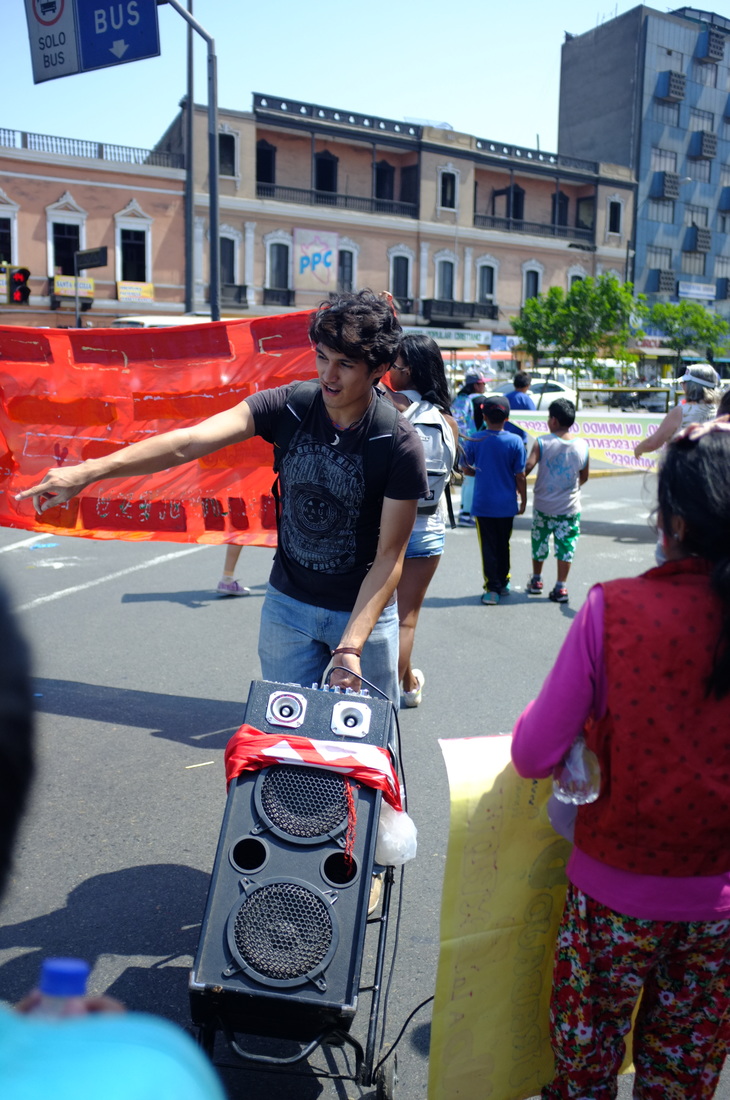
On May 1, I interviewed 17-year old Jean Pierre Orozco from Iquitos, one of this year's two national MNNATSOP delegates, at the Día de los Trabajadores (Workers' Day) march in Lima. Below are some excerpts from our conversation, in which he eloquently explained his position on young Peruvians' need and right to work, and shared his own experiences as a young, organized worker.
Picture
My name is Jean Pierre Orozco Ruiz. I’m 17 years old. I’m from Iquitos, in the Loreto region, and I’m a national delegate for MNNATSOP.

Can you tell me a little about what MNNATSOP is?

MNNATSOP is a national social movement of child and adolescent workers. It’s a movement articulated by different organizations of "NNATS", which stands for boy, girl and adolescent workers. We’re a movement that promotes the rights of children and teens. And we’re always working for the idea of dignified work; we want the state to recognize the number of children who work, as well as those who work in exploitative conditions. We are first seeking for them to be recognized, then to be valued, and then to be protected.

What are some examples of the work that children and teens do here in Perú?

Yes, in Peru there’s a diversity of jobs. Beginning with the jungle, where I come from—since there’s flooding, boys and girls work in llevo-llevos, which are canoes that serve as a form of transportation through the flooded streets. Instead of a taxi, or a moto-taxi, they’re called llevo-llevo. Children also work selling curichis, which is ice cream. In Lima they’re known as marcianos, but we call them curichi. And in general, in all regions, children work selling candy. In the Andean regions you see a lot of lustrabotas, shoe-shiners. In all of Perú, children work selling newspapers, and  also work in stores.

And more than anything in the Andes and the jungle, there’s work in the fields. Children who work on farms, planting crops, and taking care of livestock and animals. There’s knitting and sewing, making different kinds of artesanías. Selling bracelets and necklaces in the streets.

Then there’s music, and art. Singing or playing an instrument on buses or in plazas, and doing acrobatics at traffic stops—taking advantage of our flexibility and moving around and all that.  These are some of the many different forms of work that exist in Peru.

Can you talk a little about the reasons for which children and teenagers work? 

Starting with the national reality of Perú: our context is one of poverty. The state claims that we’re a middle-income country but we, from various regions and areas, see that that’s not true. As a movement of working youth we see that the problem isn’t poverty, right? The problem is the distribution of wealth, that rich people keep getting richer and us poor people keep getting poorer.

That’s one part of it, and another is the cultural context. This country has great biodiversity, and for us, growing crops, taking care of animals, and being on the farm and in the fields, is cultural. It’s something that has to do with family, something traditional. And for us, for there to be programs and actions that take working children from their farms and homes and bring them to shelters, is a negation of our country’s very culture.

Family situation is another factor. Many children are raised by single mothers, and maybe their mother is sick and they have three siblings in school. And if you’re the oldest, you try to make sure your siblings have a good education. You go out and work, and try to help so that they can study and your mom can have her medication. And that’s very complicated, you know?

The other thing is that there’s a large sector of boys, girls and teens who work because they like it. The idea of going out on the streets and doing acrobatics, dancing, theater… it's a form of solidarity. For us, sitting and lying around the house watching television seems rather unethical, because our mothers and fathers exert themselves and we just sit around watching TV, not doing much. So it’s also a form of supporting the family, and a kind of training. Because we see and learn how to value money—because if we want to buy snacks, sodas, or unimportant things, we learn how much work and effort it takes to be able to afford them.

And for you, what’s the difference between working as necessity and working as a right?

The difference is in the political constitution of Peru—our supreme document. It states that all human beings have the right to work, because work is a human right. Work is a form of a person’s fulfillment, a form of education. So for us, from that very sentence in the constitution, it’s already a right that we all have. It's a right that we can all exercise. That’s one side. But the other side is the idea of necessity. Many families live in the day-to-day context of not having stable employment, and have to go out on the streets to sell snacks, candy. It's very complicated. So these same children and adults who are working because of necessity have a right to work. And for us it’s that: we’re fighting for policies that help everyone have a better quality of life.

 How would you respond to—let’s say someone, a foreigner, is traveling through Peru, in Lima or somewhere else, and sees a 9-year-old girl working in a market, or selling on the street. And they say, "oh, poor thing, she should be playing or something else…” How would you respond to that kind of sentiment?

Often people, whether we’re foreigners or from the same country, see a child working and we immediately think of them as victims. Poor thing, that child in those conditions... We feel pity, we feel bad. For me, and in particular those from the Movement, and the young people we represent, that’s something we don’t like. Because it puts us in a marginalized position. We have the same rights that a child with a better economic status has, don’t we?

We say that working, studying and playing are all rights that we can enjoy. Because we have fun working in the fields, or in the streets, or doing cultural work. We do it with a lot of joy, satisfaction and pleasure. And it’s also a way to have a good time. So for us, and for the Movement, education has never been left on the sidelines. That is, it’s not that we promote work. We promote rights. We promote the respect of our rights. For us, that doesn't mean that education and play are left behind. 


Can you explain what’s happening with the criminalization of working children?

What you mention is a really important point, because the policies the government creates are centered on fighting crime. And if you’re not recognized by the law, you’re doing something that’s prohibited, which means you’ll be criminalized. And given the minimum working age, which is 14, the thousands of children ages 7 or 12 or 13 who work, are criminalized. They’re stigmatized. And this is a widespread reality—not just a few small cases. In Iquitos, in Lima, in Andahualyas, Venezuela, Ecuador, Argentina…all over the world.

And this is from the same government that’s supposed to be guaranteeing our rights. They have campaigns in the streets: If you see a working child, report them. They reduce your work and the money you’ve earned by begging. The government’s own strategies aren’t very clear when  they talk about “child labor,” which is a term we don’t agree with. Their definition of child labor includes prostitution, pornography, the participation of children in armed conflicts, child trafficking—and these are crimes! The government’s concept needs clarifying. And what we’re looking for is that  instead of criminalizing children who work,  exploitation should be criminalized. The people behind the exploitative conditions that children work in  should be criminalized.

But the children who work out of necessity, or for pleasure are criminalized as well. They’re also pursued by the police and reported. And it’s not that there’s an adult behind them forcing them to do something, it’s about their life circumstances; and the desire to overcome; and to be in solidarity with their families. To be pursued by the police, or the feeling of being watched by a security guard who might come take your supplies away—your shoe-shining box, or box of candies—and then take your money away, and drag you to a shelter, to then call your parents and have them punish you, it creates a vicious cycle. It’s terrible for us. And that’s why we’re in a continued struggle to be recognized, in our specific regions, in Perú, in all of Latin America. Because the problem is: first, that they don’t listen to us; second, they listen to us but don’t take us into account; and third, that they create policies that work against us.

Can you tell me about your own experience as a working child?

Yes, I began to work at 8 years old. I had the good fortune of learning about the Movement the year after I started going out into the streets to work. My brother also worked as a child, and so did my mother. I’ve worked in the streets, in my house, in other people’s houses, and in a store. I come from a very poor economic situation.  

My brother started in the Movement first. My mother was a collaborator. Then I started to participate. I began to learn about things I wasn't learning about in school like the Código del Niño y Adolescente (Code of Children and Adolescents), and the idea of dignified work, trabajo digno. Things that I never thought about in school, and never had the tools to understand.

And so at 8 years old I started to work, to support my mother. My parents are separated and we don't have our own house. And so I started helping in solidarity with her, because she would work in the mornings and in the evenings, and it was really tiring for her. So I tried to find ways to support and, as we say, to 'be in solidarity with our families, our fathers, our mothers.' 

Personally, when I started to participate in MNNATSOP, I was really shy in school. I suffered from what is now known globally as "bullying."  I had very little capacity to stand up for myself, to demand to be treated better, to denounce my mistreatment. I was so inhibited and submissive. But thanks to the Movement, beginning in 9th grade I started to 'untether' myself from what was holding me back. I began to express myself, to state my opinion. The Movement has supported me in this process. Working in the market, working in the streets and selling products has helped me significantly. In school, I've become a leader. I've been recognized by local authorities as a leader, represented my country nationally and internationally, in the United Nations, in civil society, and in private spaces. 
At the very least, what we strive for is for our lives to be an example. That's the main idea of MNNATSOP, that the life stories of many boys and girls can be an example that things can change. 

Festival del Agua

6/1/2015

 
I spent the last week in Iquitos, enjoying the celebration of INFANT’s 4th annual Festival del Agua, or Water Festival.

Iquitos, the largest city in the world that's inaccessible by roads, is situated between two of the Amazon’s tributary rivers—the Itaya and the Nanay. Just across a narrow stretch of the Itaya are four communities with whom INFANT works. During the dry season, it’s about a one-minute motorboat ride to the community San Andrés, closest to the city. It's then a half-hour walk down a road flanked by lush, looming vegetation to the community 8 de Diciembre, the furthest from the city and the most rural. In the rainy season, the water becomes so high that the road disappears, and canoes or motorboats are the only viable means of transportation; houses are built on stilts to accommodate the flooding.

The Festival del Agua is an exuberant tribute to this shifting terrain. The festival is a three-day dizzying array of events where the members of these communities, young and old, showcase their talents, voice their commitment to water preservation and anti-contamination efforts, and invite the rest of Iquitos to learn and understand the realities of their neighbors, unknown to so many despite their proximity.
 
Here’s a brief, very raw look at some of my footage from the Festival, including scenes from: the ecofería, where community members displayed and sold products they made from recycled materials (trash found in the water); the recycled materials fashion show; water sports; a boat tour guided by young people; and a spectacular parade of floats.

Examining the Everyday

5/18/2015

 
Christy and Karoly continue to use photography to explore their worlds. Their ways of seeing and framing the everyday infuse it with a novel charge, letting us dwell for a moment in the textures of their experience.  Here are some of my favorites of their views of, in, and from Cantagallo. 

Christy
Karoly

Caminos

5/4/2015

 
The journey up to 12 de Junio allows me to pass through some of Lima’s multiple realities and contradictions.  As I travel southward, hills begin to emerge from behind buildings, each with homes nestled up against one another—a city stacked upon itself. 

For a glimpse at what I see from my window seat, here’s a sped-up, condensed version of the hour-ish-long trip (the long stretch without movement is from inside the combi, a shared minivan that only leaves for its route once it’s full): first by metro rail to Villa María del Triunfo, and then up, up, up in the combi, past where the city grid ends, to the mountain Ticlio Chico, which thousands of people have made their unlikely home. “Último,” shouts the driver, echoed by the young boy collecting our fares--last stop: 12 de Junio.
We've transitioned from projects about family to examining and exploring the community. The girls have taken on the role of investigadoras comunitarias, community investigators, and are using photography to reveal different dimensions and experiences of health in 12 de Junio. Their own stories and perspectives will work in conversation with Lauren’s expertise as a health practitioner, with knowledge and information moving in both directions. 

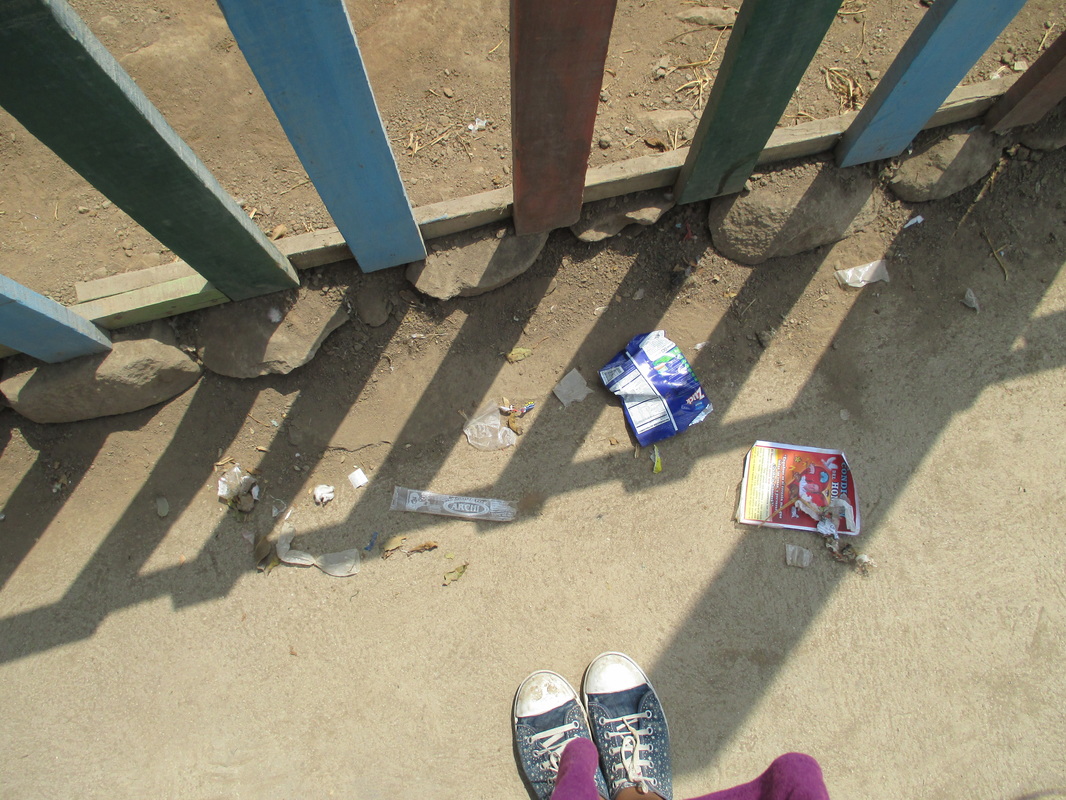
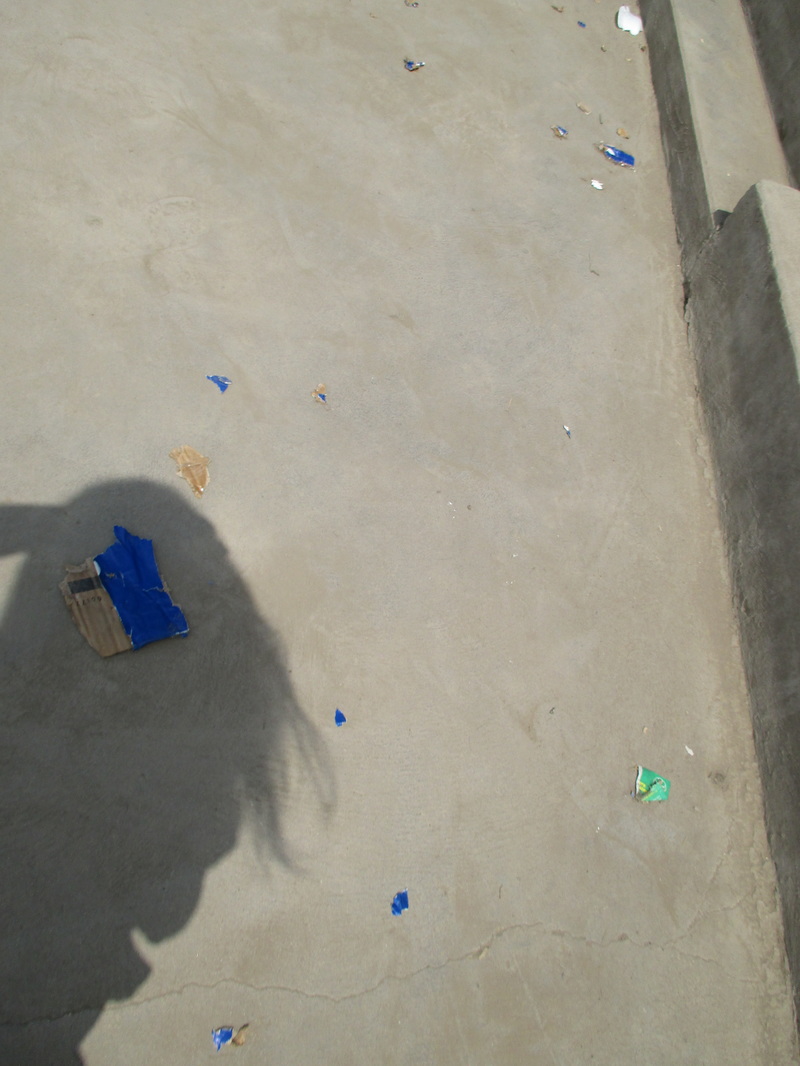
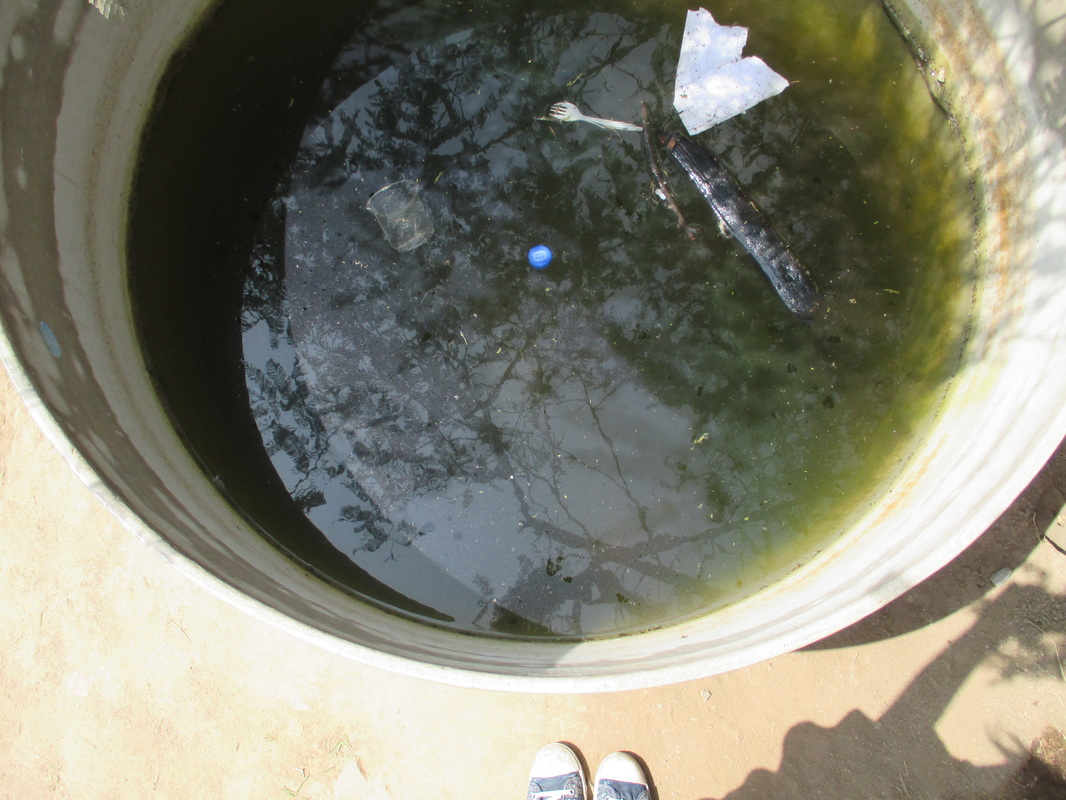
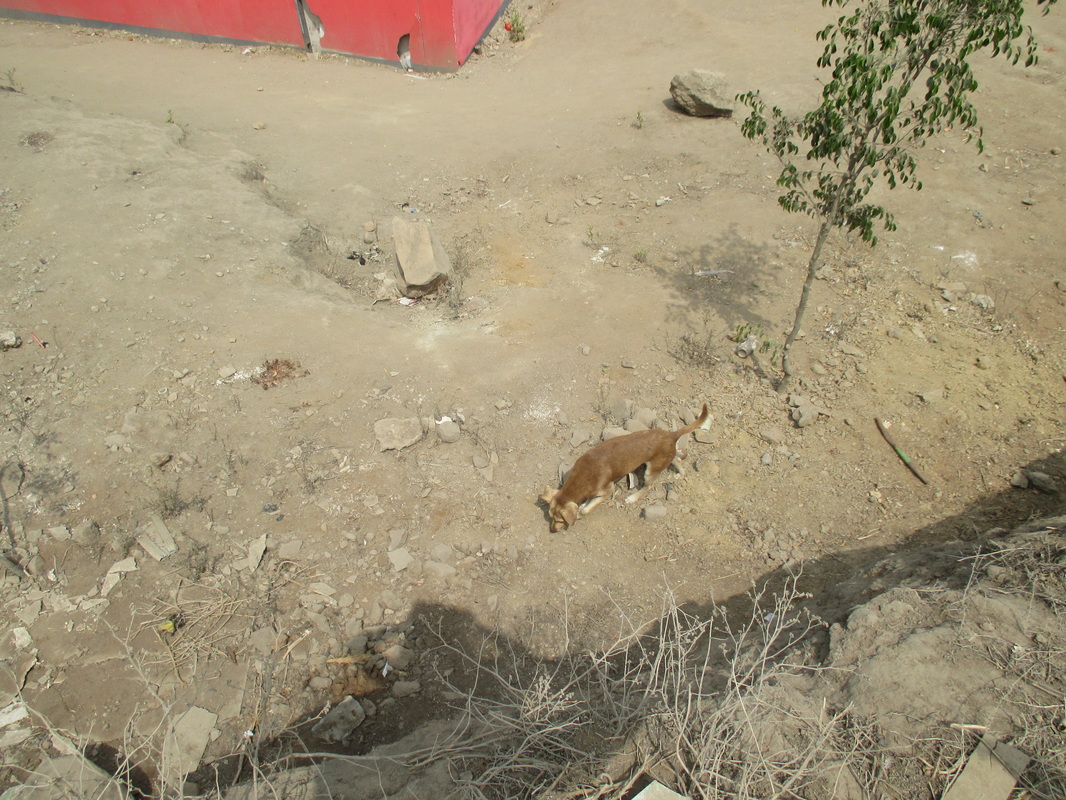
Their first mission was simply to take photographs of people, places, and things in the community they associated with the concepts of healthy and unhealthy. While all are illuminating and imaginative, I am especially drawn to the images where, whether intentionally or by chance, some small piece of the photographer makes it into the frame.
Picture
Photo by Jezabeth.
As we sat around the computer Saturday discussing the photos they had just taken, Jezabeth explained that while the first time her feet got in the shot was an accident, she liked the result and tried it again. We discussed the implications—the viewer does not simply see the fact that there is trash strewn on the ground, but also the feet, and thus the physical presence, of the community investigator. “Yes!” she exclaimed. “And also the fact that these are the paths--los caminos—I walk, and they’re contaminated.” 
Picture
Photo by Jezabeth.
Picture
Photo by Jezabeth.
Picture
Photo by Valeria.
Likewise I’m excited by the images where other children, fellow researchers, are in the frame—whether staged in a sort of performance by the photographer, or captured incidentally by tuft of skirt or sliver of hand. 

These are not simply inquiring minds, but bodies too, making their way through their own community to forge new conversations and understandings; to show us what they see, and how they see it.
Picture
Photo by Liliana.
Picture
Photo by Valeria.
Picture
Photo of Maricarmen by Stefanny, demonstrating that getting too much sun is unhealthy. Because of its altitude, 12 de Junio experiences the extremes of Lima's weather--fierce, direct sunlight in the summers and biting cold in the winters.
Picture
Photo by Stefanny: Maricarmen directs our attention to the mold growing on the bricks.
Picture
Photo by Stefanny, of Maricarmen as a person too lazy to exercise.

Yo sí grito

4/20/2015

 
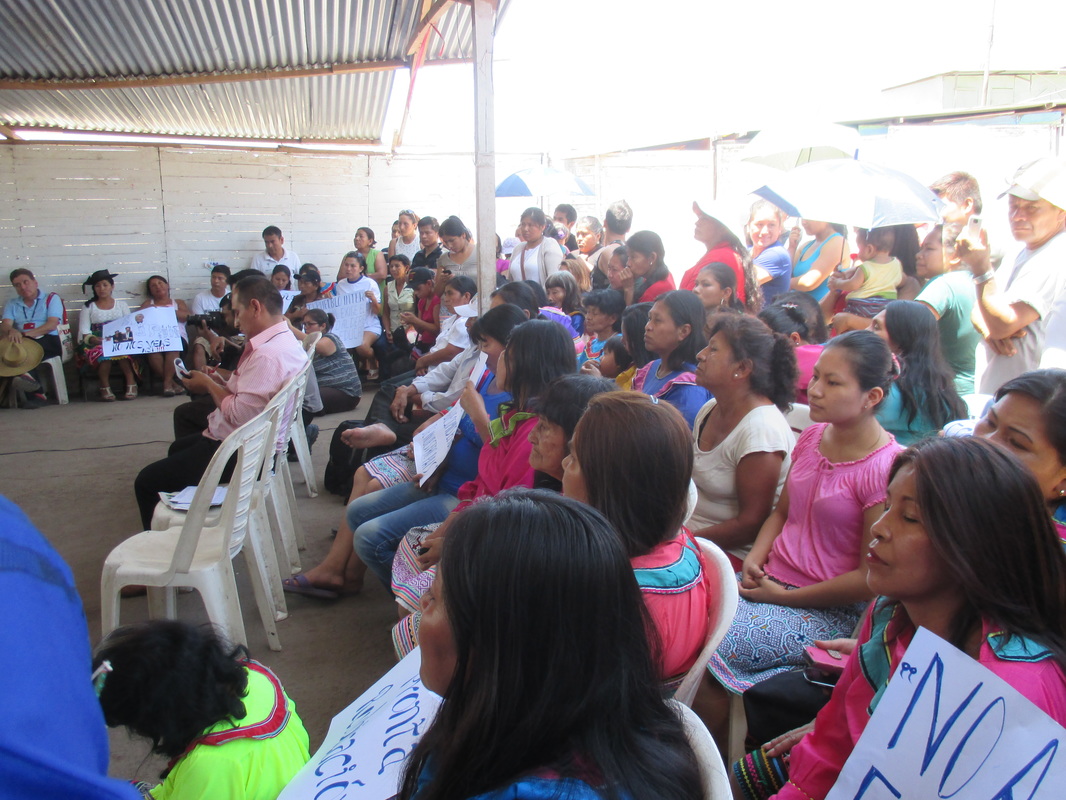
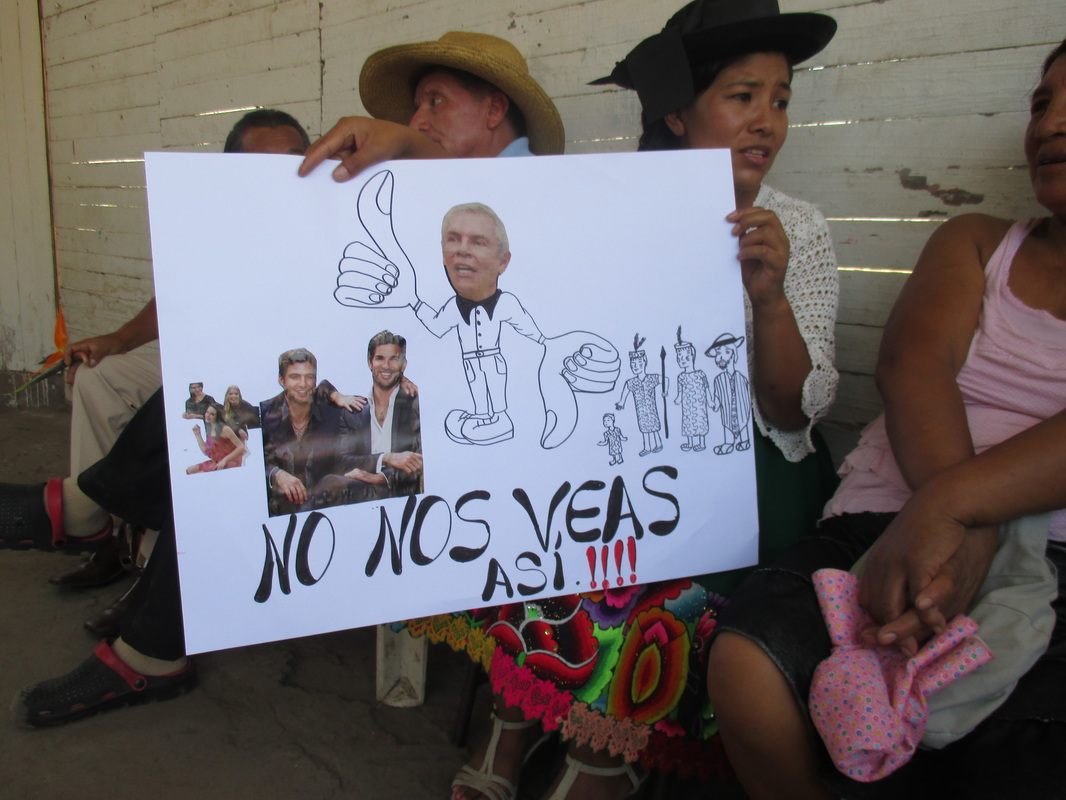
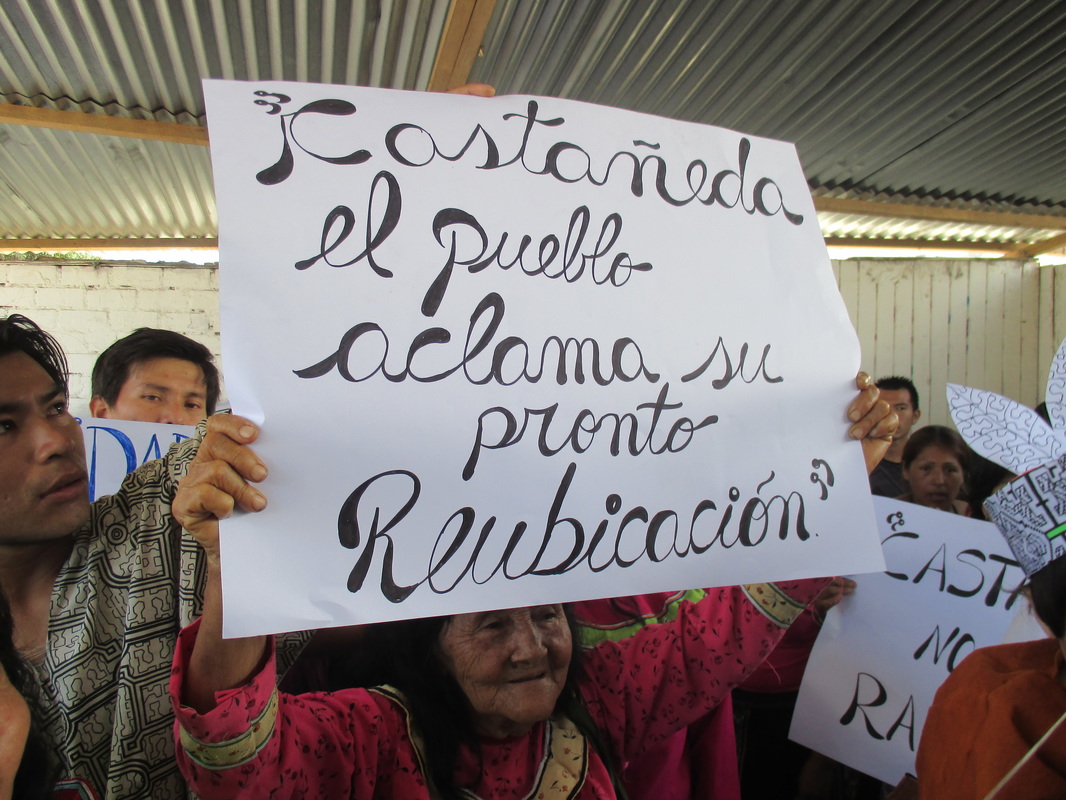
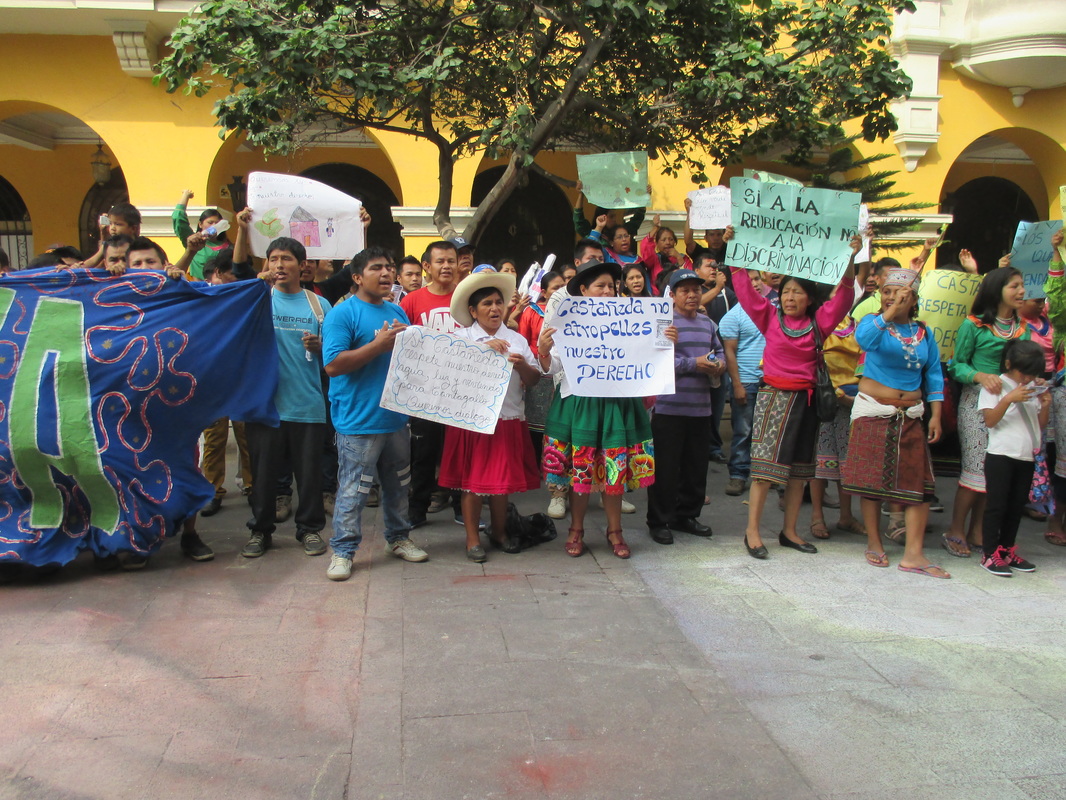
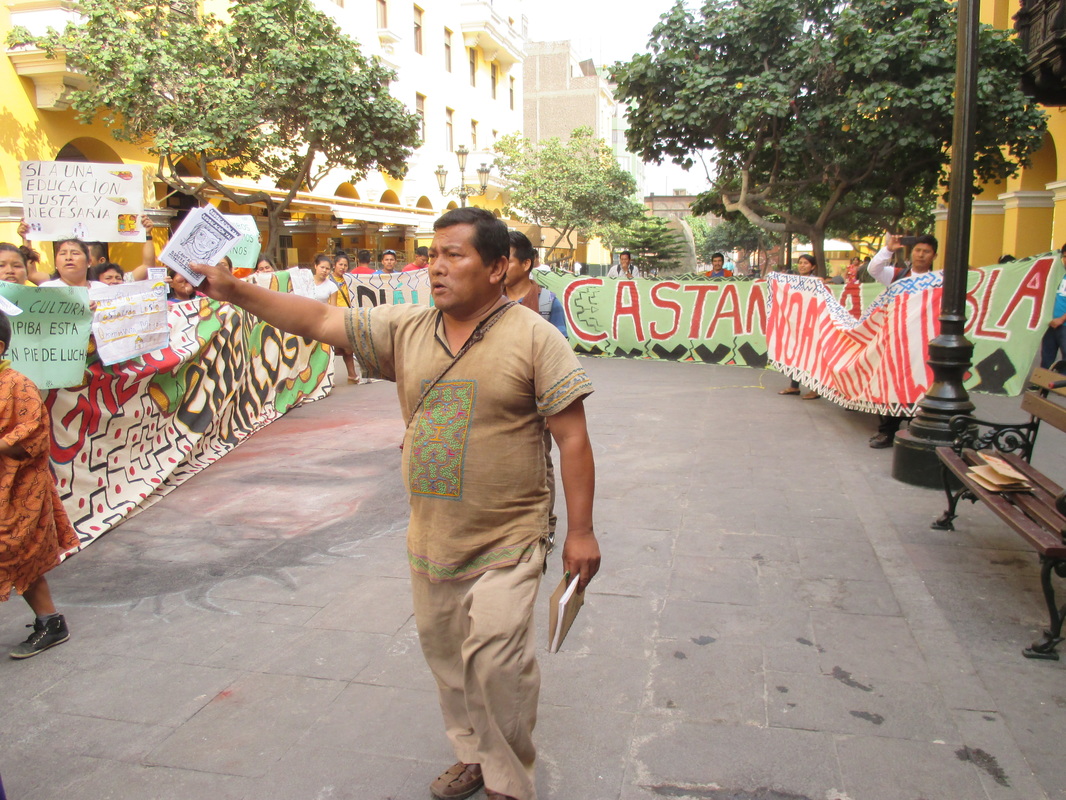
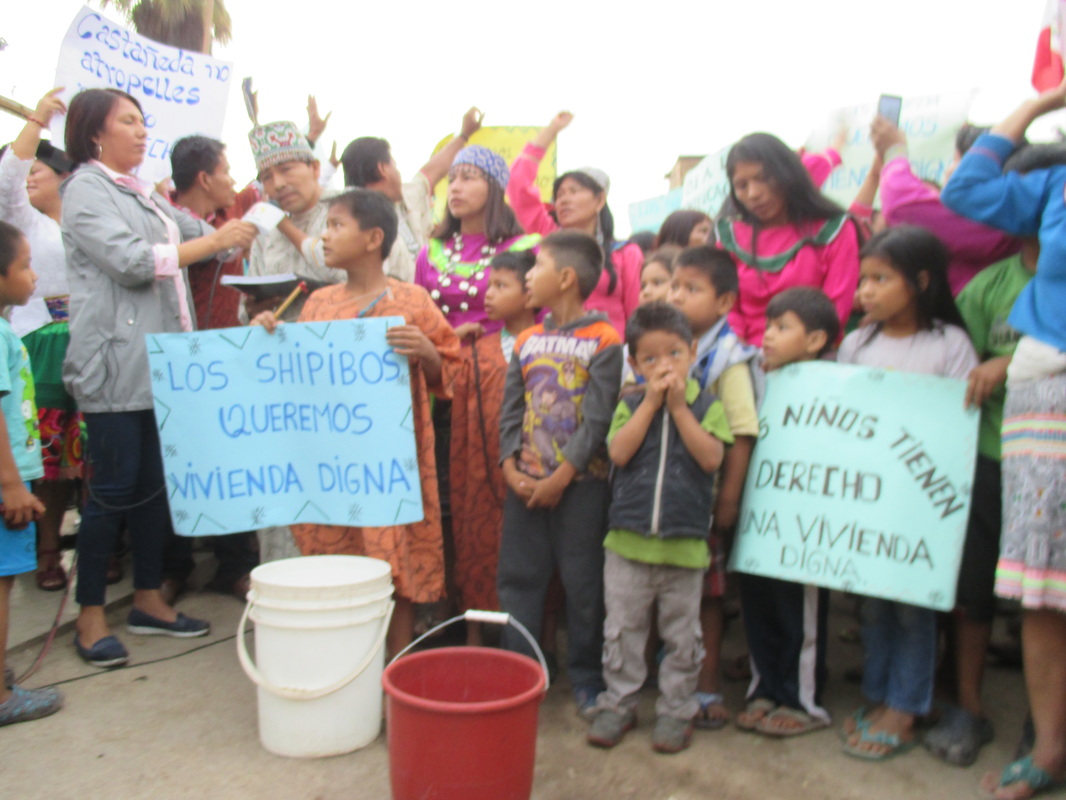
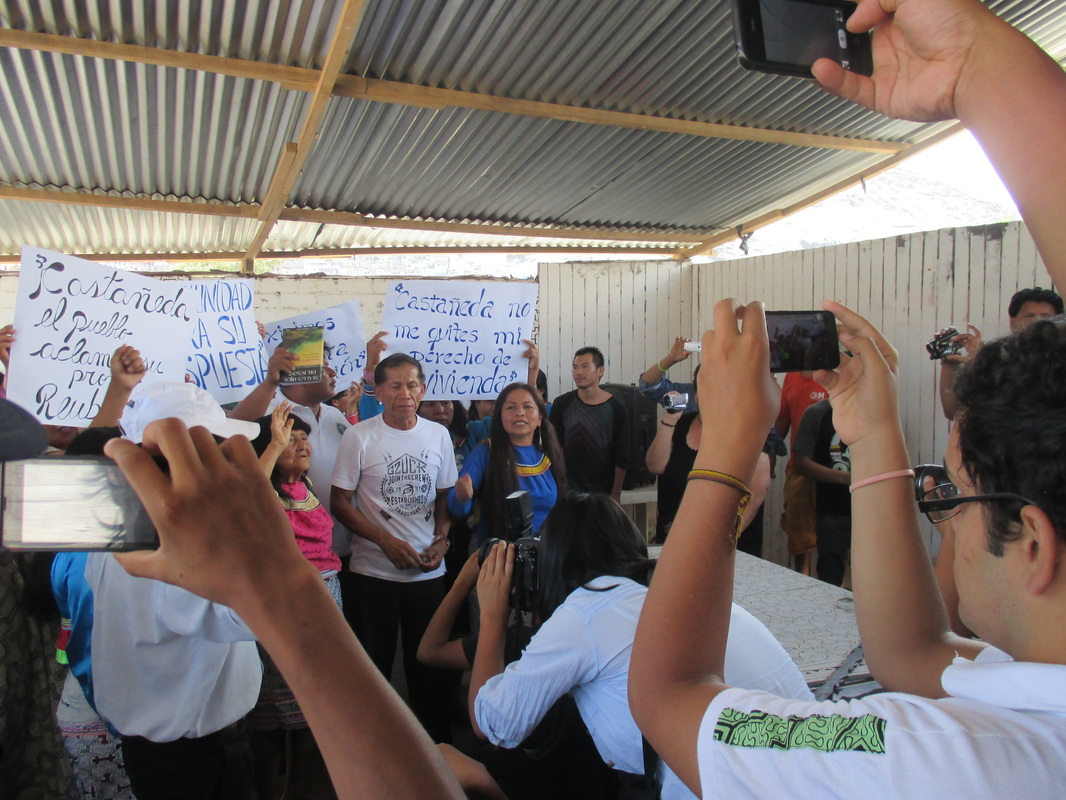
In Cantagallo, Karoly has been documenting her community's struggle to get answers from the mayor's office about their impending displacement. They were promised relocation as the former mayor laid plans for a 15-hectare park, Río Verde, prematurely hailed the "new lungs of the city."  But mayor Luis Castañeda Lossio has cancelled the Río Verde project, and instead plans to build a freeway bypass. Many limeños are outraged at the prospect of so much green being forsaken for so much concrete; and Cantagallo and its many supporters are raising their voices to ensure they are not forgotten in the process.
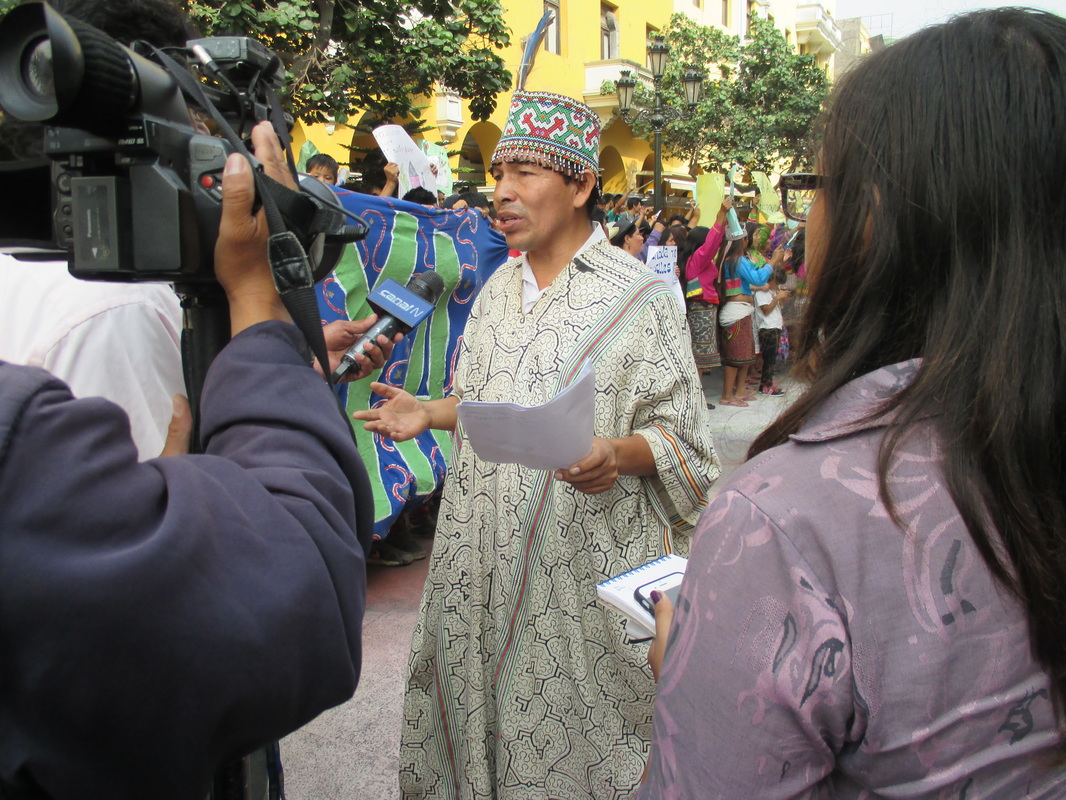
"Yo sí grito," Karoly says with pride. Behind the literal pronouncement that she indeed shouts when she participates in these ongoing protests is the assertion that she is willing, ready, and unafraid to do so.

I am honored to share her powerful writing and photographs here.
******************************************************************************************************
Ésta es mi comunidad shipiba, donde todos nos apoyamos. 

This is my Shipibo community, where we all support each other.
Picture
La comunidad ha estado acá desde el 2000. Durante este tiempo hasta el 2013 estuvimos acá sin problemas. Más o menos 2 años ya, 2013 y 2014, estuvimos con todo esto de la reubicación. Con el proyecto del gobierno, Cantagallo tiene que salir del sitio donde está porque allí, esa parte también va a ser del Via Parque Rímac. Así que tenemos que ser reubicados. Este proyecto lo llevaba la alcaldesa Susana Villarán. Con turno de tiempo que ella estuvo en la alcaldía, hizo cosas buenas. Y nos íba a dar un terreno; un departamento en que todo Cantagallo nos reubicáramos allí. 

...Hasta que ingresó el alcalde de ahora, Luis Castañeda Lossio, que no nos quería dar la reubicación. Más o menos quería botarnos de Cantagallo y no darnos terreno. 
 
The community has been here since 2000. We’ve been here until 2013 without any issues, until about 2 years ago, when this whole relocation thing began. With the government’s Project, Cantagallo has to leave its current site, because that area is going to become part of Via Parque Rimac. So we’ll have to be relocated. The former mayor, Susana Villarán, initiated this project. In her turn as mayor, she did good things. She was going to give us land; apartments where all of Cantagallo would be relocated together. 

…Until the current mayor, Luis Castañeda Lossio, took office. He didn’t want to help relocate us. Basically, he wanted to kick us out of Cantagallo without giving us anywhere to go.
Picture
Donde quedaríamos nosotros? Nosotros, los indígenas, los shipibos? Nos negaron el terreno y nosotros coordinamos con toda la comunidad que haríamos una protesta de lucha para que nos aprueben el terreno.  

Where would that leave us? We, the indigenous Shipibos? They denied us land and so we as a community coordinated that we would have a protest, so they would approve the land we were promised.
Picture
Picture
Picture
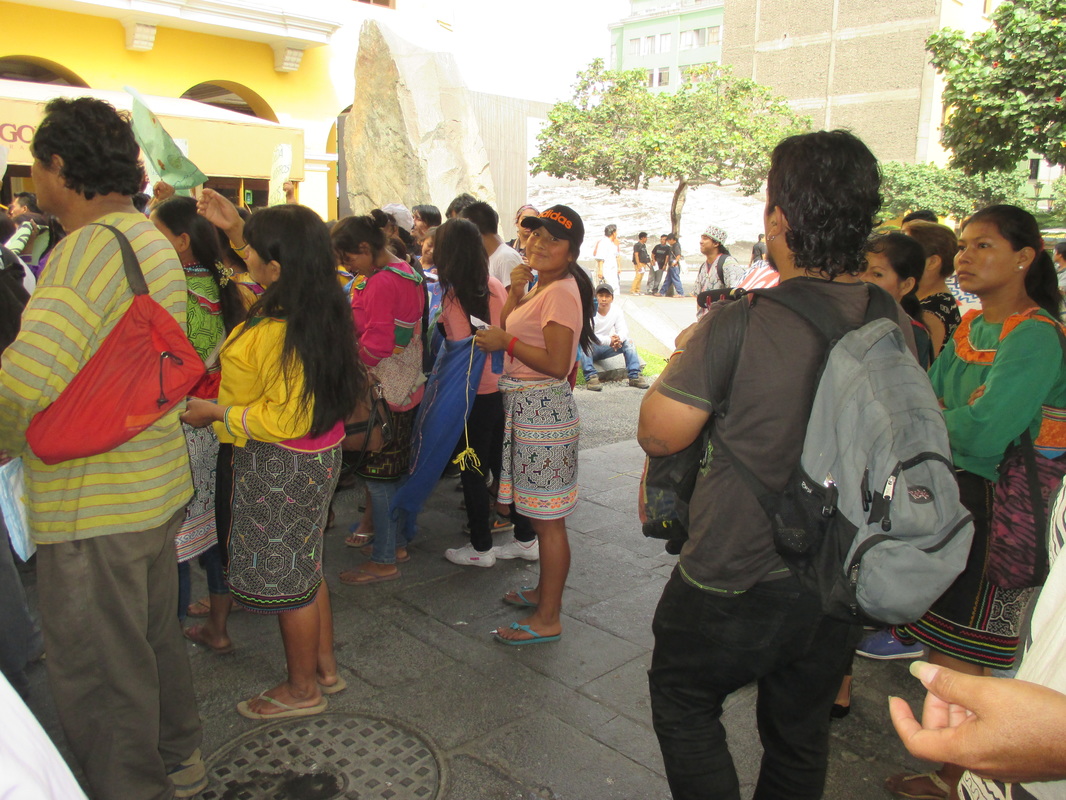
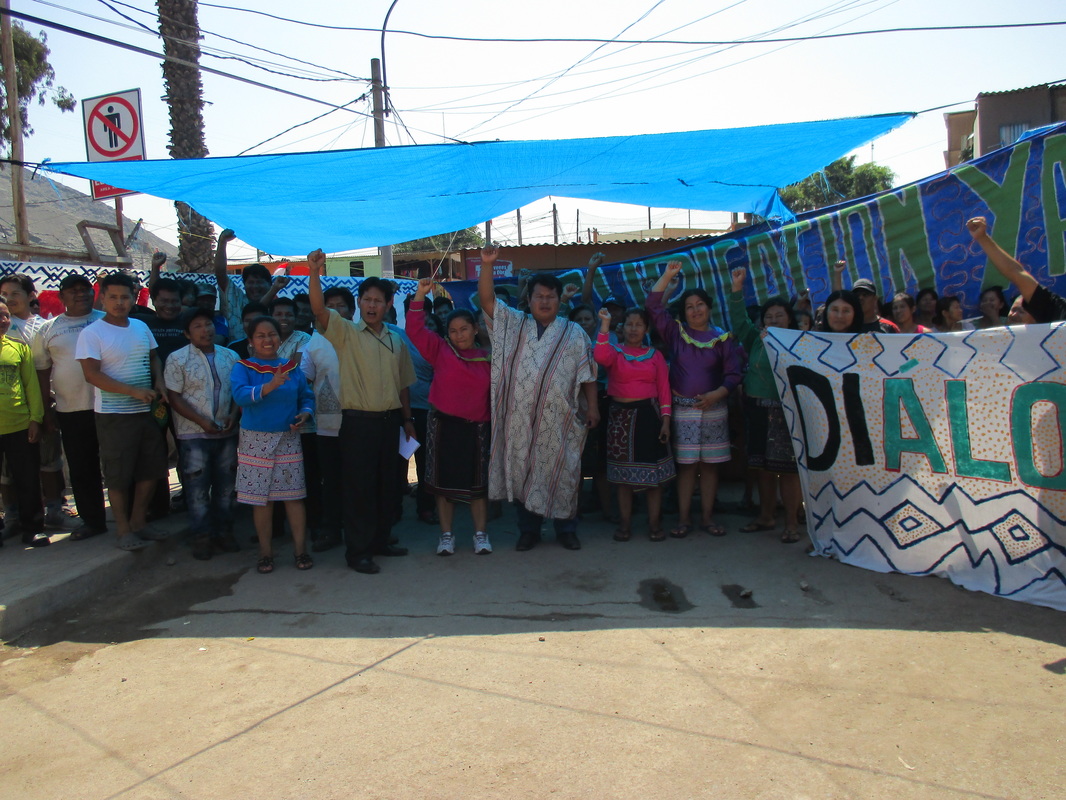
Así que nos acercamos al Palacio del Gobierno a hacer una protesta. Llegamos al Palacio del Gobierno con nuestra abogada. Ya habian llegado madres shipibas y artesanas, con sus vestuarios, con el traje típico de la selva. Así que la policía ya sospechaba, hasta que se aceró hacía tres madres de la comunidad, y dijeron que teníamos que irnos. Ahí fue donde que todos nos pusimos nuestro traje shipibo, incluyéndome a mi. 

So we marched to the Palacio del Gobierno to protest. We arrived at the Palacio de Gobierno with our attorney. Some of the mothers of the community, Shipibo women and artisans in traditional dress from the jungle, had already arrived. So the police already suspected something, and they approached three of the mothers from the community, telling them we had to leave. That’s when we all put on our traditional Shipibo clothing, including myself.
Picture
Photo of Karoly by her father, Isaiah Bautista.
Picture
En ese momento nos identificamos con eso porque aunque tengamos el traje de shipibo, queremos que nos traten igual que a todos. Que no seamos discriminados. Queremos sentirnos igual que todos—ni mas, ni menos. Como somos shipibos las personas piensan que somos malos, que no sabemos nada. 

Queremos que los limeños nos traten igual. 

At that moment we decided to identify ourselves like that because even though we wear Shipibo dress, we want to be treated just like everyone else. Not to be discriminated against. We want to feel equal to everyone—not more, not less. Because we’re Shipibo, some people think we’re bad, or that we don’t know anything.  

We want limeños (people in Lima) to treat us equally.
Picture
Picture
Piensan que vamos a venir a la protesta con palos, con piedras. Y no es así. Nosotros hemos venido a hacer escuchar al gobierno nuestra voz. Para que no nos mienten mas. Piensan por eso, por nuestra cultura, porque somos diferentes, piensan que nos van a agarrar de personas que no saben. Y nos han mentido durante 2 anos . y ya no queríamos mas eso. Así que nos fuimos y hicimos una protesta, donde hasta niños fueron.  

People think we’ll arrive at a protest with sticks and stones. But it’s not like that. We went to make our voices heard by the government. So that they won’t lie to us anymore. They think that, because of our culture, because we’re different, that they can treat us like we’re ignorant. They’ve been lying to us for 2 years, and we don’t want that anymore. So we went and staged a protest, where even children participated. 
Picture
Picture
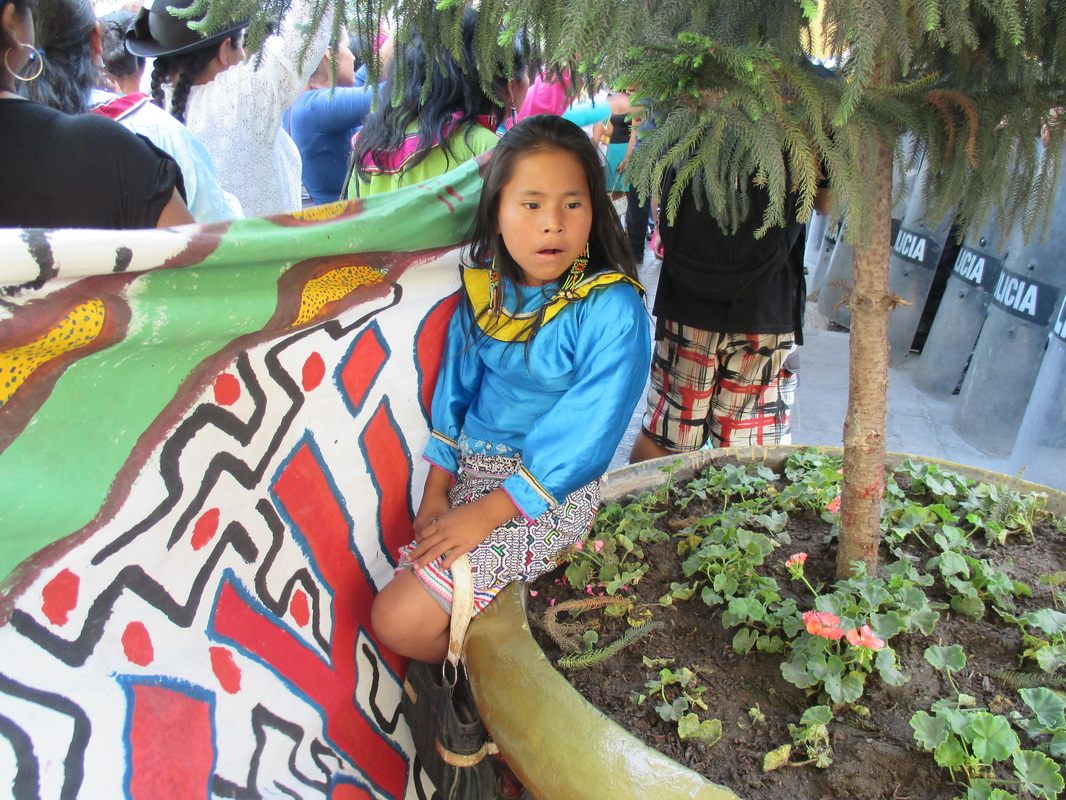
Estuvimos desde las 9 am hasta las 12. Durante este tiempo la policía decían que éramos asháninkas ; y dimos a entender que éramos shipibos. Y la policía se burlaba de cómo hablábamos, de cómo estábamos vestidos.

Tambien fueron periodistas que nos apoyaron durante todo este tiempo. Nos dieron entrevistas para hacer no solamente que nos escucharan los del palacio del gobierno sino que la gente toda la gente sepa donde vivimos quienes somos y para que estamos luchando. Los periodistas, personas que ni siquiera nos conocíamos, personas limeñas, nos apoyaron. Y hasta turistas nos apoyaron.

We were there from 9am until noon. During this time the police called us Asháninkas [1] ; we explained to them that we were Shipibos. And the police made fun of how we spoke, of how we were dressed.

There were also journalists who came to the protest and supported us. They interviewed us, so that we would be heard not just in the Palacio del Gobierno, but so that everyone else would know where we live, who we are, and what we’re fighting for. The journalists, people who we didn’t even know, people from Lima, supported us. And even tourists supported us.
Picture
Picture
Picture
Picture
Yo y toda mi familia que es Cantagallo, le agradecemos a todas las personas, a los periodistas, que nos apoyaron, y que nos vieron gritar para la defensa de nuestra comunidad. Y ya no mas al rechazo, ni a la mentira!

I, and my Cantagallo family, thank everyone who supported us, who came to see us shout for the defense of our community. No more rejection, no more lies!
Picture
Picture
Picture
Soy Karoly Bautista Pizarro, hija de Isaiah Bautista Pizarro y Delia Pizarro, y tengo 13 años. No me gusta que nos discriminen. Me gusta la actuación, siempre cuando lleve también de mi cultura. Me gusta mi comunidad. Me gusta ser shipibo. Me da orgullo. Y quiero que todas las personas de Peru se quieran entre todos. Que todos somos iguales. 

I am Karoly Bautista Pizarro, daughter of Isaiah Bautista Pizarro and Delia Pizarro, and I’m 13 years old. I don't like for people to discriminate against us. I like to perform, especially when it's related to my culture. I like my community. I like being Shipibo; it makes me proud. And I want all Peruvians to love one another. We are all equal.
Picture
Picture
[1] The Asháninka are an Amazonian indigenous people, distinct in many ways from the Shipibo-Conibo of Cantagallo and the Ucayali region. A few weeks ago, Mayor Castañeda made the same (disrespectful) error in his press conference announcing the cancellation of the Río Verde Project. 

Where We Stand

4/6/2015

 
In the community of 12 de Junio last week, three groups of girls ventured on a photographic scavenger hunt. Their missions—including “a close-up of something forgotten” and “a bird’s-eye view of a peaceful place”—helped to anchor an important concept we’ve been considering in our workshops over the past few weeks: perspective. 

In the process of reading photographs, I ask the girls to explain where the photographer was standing, and explain how they know. Through admiring dozens of different images together, we come to appreciate just how much the photographer's point-of-view, or perspective, affects what we're seeing. Had they been standing a little to the right, or crouching, or on the opposite side of the street, the resulting image would likely tell a different story.

Before the scavenger hunt we had a short lesson in different basic camera angles and distances: close-up, medium shot, long shot, bird's-eye view, worm's-eye view, and so on. Then everyone was sent out with a list of things to find, and ways to frame them. It was thrilling to see how differently each group interpreted the prompts. As each member of the group excitedly shared her photos, we discussed the effects of adopting new positions--how looming everyday things may appear from the perspective of a worm; how intimate a close-up can feel; how much else can fill the frame in a long shot. 

What is beginning to emerge through these exercises is a portrait of the community, constructed through many perspectives. As the girls get more comfortable with the cameras, they are getting used to getting closer; to pausing before shooting; to choosing the right moment; to moving their bodies to get the shots just how they want them. In the coming weeks, Lauren and I will be focusing our energies on facilitating even-more deliberate visual investigations of the community, prompting the girls to examine and explore which parts of it they are proud of, and what they might like to change. 

12 de Junio is one of the highest points of Lima's Villa Maria del Triunfo district. Though Villa Maria was officially established in 1961, it has been expanding significantly over the decades through multiple waves of migration to Lima. 12 de Junio is one of the district's newest communities--it has only existed for fifteen years, which makes the young people we're working with the first generation to come of age there. I am eager to delve deeper with them into the stories of how their community came to exist.  It is a rare privilege to come to know a place through such perspectives.  
Picture
Villa María del Triunfo, as seen from 12 de Junio.

Familia

3/23/2015

 
In Cantagallo, Karoly and I have been working on representations of self and family as we continue our exploration of using media tools to share where we come from and where we might be going--as individuals, families, or communities. This week, she wanted to introduce herself to you by sharing photos she took of her family, self portraits she imagined, and a little bit of writing:
I am Karoly Bautista. I want to be an actress, singer, and lawyer.
Picture
My mother is a fighter, and very beautiful. I love that she loves me and supports me in every moment. 
My father is a very hardworking person and is one of those people who loves and understands his children.
Picture
Picture
Picture
We are 5 siblings. 
My older sister. I would say she is one of those mothers who always gets up when they stumble.
Picture
Picture
Picture
I’m next but you already know who I am.
Picture
My brother Aron is a very restless little boy but he also loves to work and study and is mischievous. 
Picture
Picture
My brother Amoc is a kid who loves to organize his things and listen to Andean Huayno music.
Picture
Picture
My little sister is very beautiful and intelligent.
Picture
Picture
Picture
Soy Karoly Bautista.

Somos 5 hermanos.

Quiero ser actriz, cantante y abogada.

Mi madre es una mamá luchadora y muy linda. Me encanta que me quiera y me ayude en todo momento.

Mi papá es una persona muy trabajadora y es una de esas personas que quiere y comprende a sus hijos.

Mi hermana mayor. Le diría que es una de las madres que cuando tropiezan siempre se levantan.

Sigo yo pero ya saben quien soy.

Mi hermano Aron es un niño muy inquieto pero también le encanta trabajar y estudiar y es muy travieso.

Mi hermano Amoc es un niño que le encanta ordenar sus cosas y le encantan escuchar Huayno, música andina.

Mi hermano menor es muy linda y inteligente.


*(Original text by Karoly. Translation mine. Images by/designed Karoly.)
<<Previous

    Elizabeth Landesberg

    Learn about Elizabeth's experience in Peru...

    Picture

    Archives

    August 2015
    July 2015
    June 2015
    May 2015
    April 2015
    March 2015
    February 2015
    January 2015
    December 2014
    November 2014

Powered by Create your own unique website with customizable templates.